Customs creates an office to detect money laundering and fraud in foreign trade
Resolution No. 686 creates the Trade Transparency Office, which will build risk profiles of importers, exporters, free zones and e-commerce using data analytics.
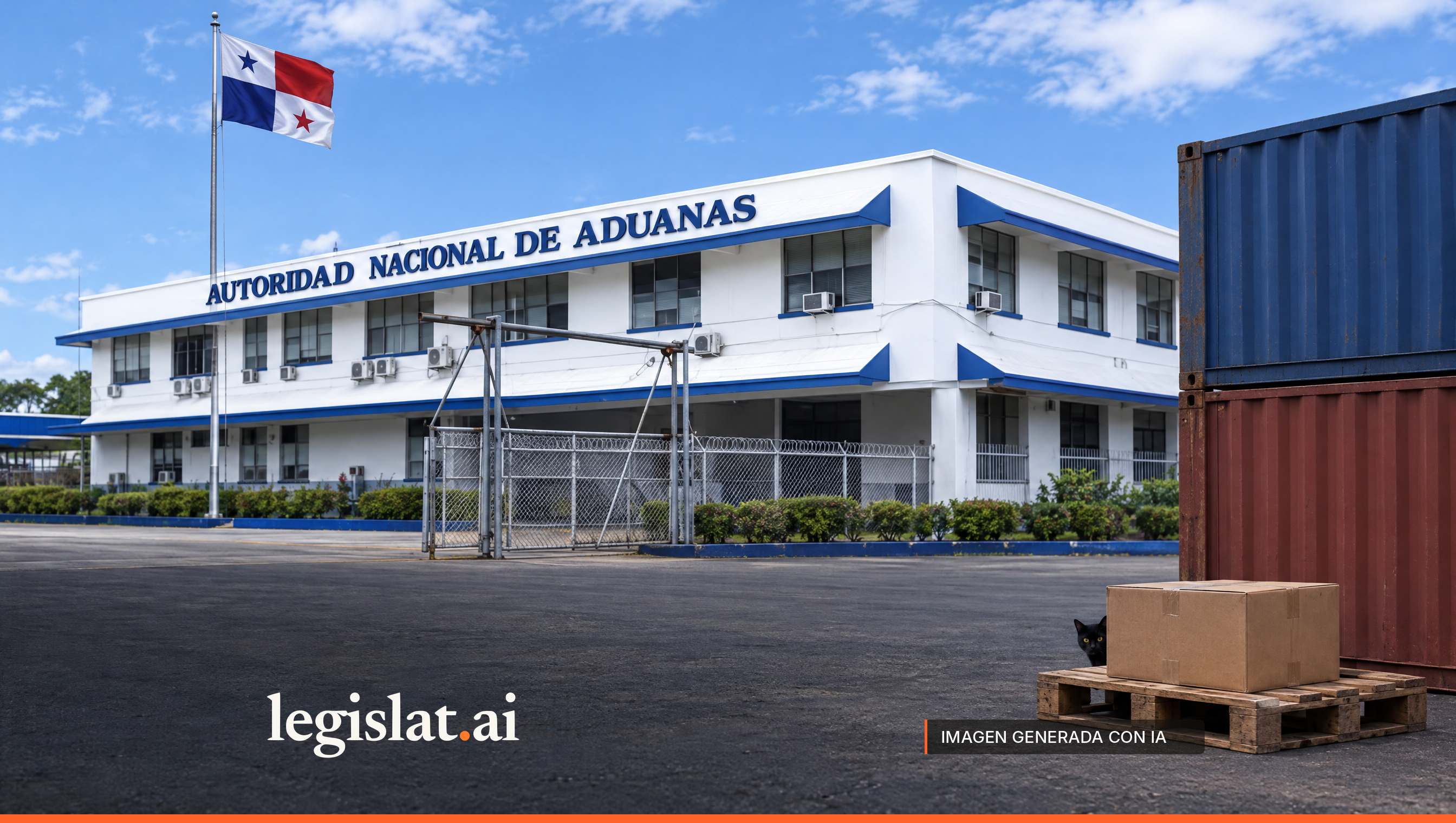
The National Customs Authority (ANA) created the Trade Transparency Office (TTU/UTC) through Resolution No. 686 of October 30, 2026, published in Official Gazette No. 30654-A on November 17. Its Article 1 defines it as a specialized technical unit attached to the Office of the Director General, with jurisdiction nationwide, and Article 2 incorporates it into the institution's Organization and Functions Manual.
According to Article 3, its mission is to collect, process and analyze strategic information on foreign trade to strengthen risk management, economic security and the protection of the State's fiscal interests. The objectives in Article 4 include combating trade-based money laundering, improving the traceability of goods and detecting unusual or high-risk commercial operations.
The functions in Article 10 show its reach: building risk profiles of foreign-trade operators; analyzing corporate structures and beneficial owners, customs declarations, container movements, courier and e-commerce operations, free zones and movements of gold and strategic minerals; and applying data mining, advanced analytics and artificial intelligence. Articles 13 to 20 describe specialized analysts in customs transit, ports and the logistics chain, maritime transport, sensitive goods and trade-based money laundering (TBML).
For importers, exporters, customs brokers, logistics operators and free-zone companies, the measure points to controls more reliant on data. The resolution does not create new obligations for users, but risk profiles and matrices could influence which operations are inspected and how often. The recitals cite among the risks smuggling, customs and trademark fraud, and the diversion of dual-use goods. The legal basis includes a 2010 memorandum of understanding with the United States Department of Homeland Security.
The resolution takes effect upon signature, according to Article 21. Its practical effect will depend on the office being staffed as described in Articles 8 and 9 and on the information systems it manages to integrate; the rule sets no budget or deadlines for this. Nexo Capital will follow up on the office's launch and the risk criteria it adopts.
Research assisted by Sentinel, with editorial verification of official sources. Discover Legislat.ai