Política Fiscal
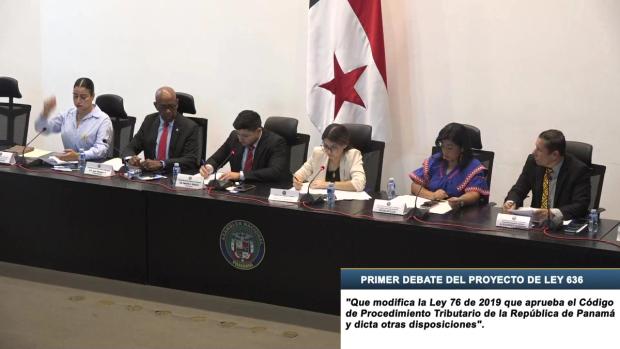
Bill 636 amends the Tax Procedure Code and mandates public access to information on tax incentives in Panama.
By Mesa de Análisis Económico · June 1, 2026
Política Fiscal
Bill 502 enacts a framework law for the General State Budget and requires that central government investment not fall below 20% of primary expenditure.
By Mesa de Análisis Económico · May 31, 2026
Mercado de Valores
An SBP Resolution authorizes the transfer of Scotiabank's banking business in Panama to Banco Davivienda (Panama), under the terms of the proposed transaction.
By Redacción Nexo Capital · May 30, 2026
Política Fiscal
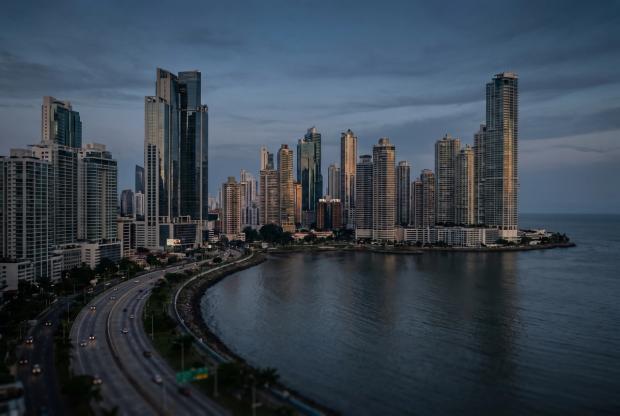
Panama authorizes a loan of up to US$350 million from the IDB to support the budget and a program to improve the Social Security Fund's pension system.
By Mesa de Análisis Económico · May 29, 2026
Economía Digital
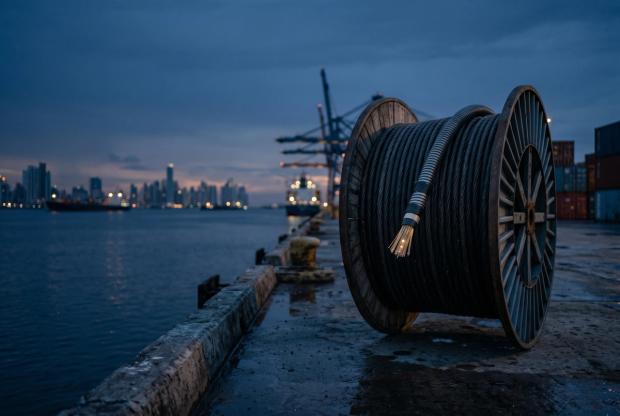
Two resolutions authorize 20-year administrative concessions to install and operate the CSN-1 and Trans Caribbean Fiber submarine cables in Panama.
By Redacción Nexo Capital · May 28, 2026
Inversión y Comercio
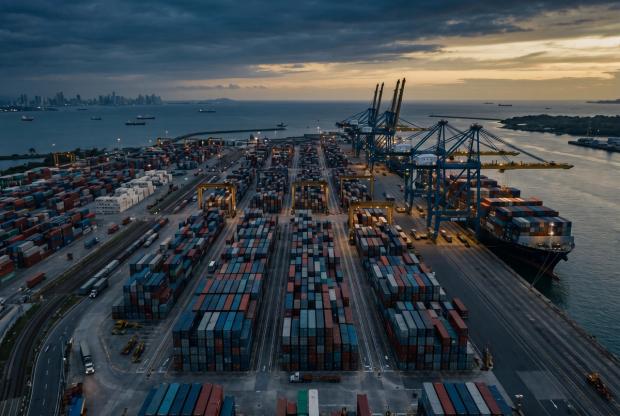
The Cabinet Council approves transitional contracts with APMT and TIL to ensure continuity of operations at the ports of Balboa and Cristóbal.
By Mesa de Análisis Económico · May 27, 2026
Economía Digital
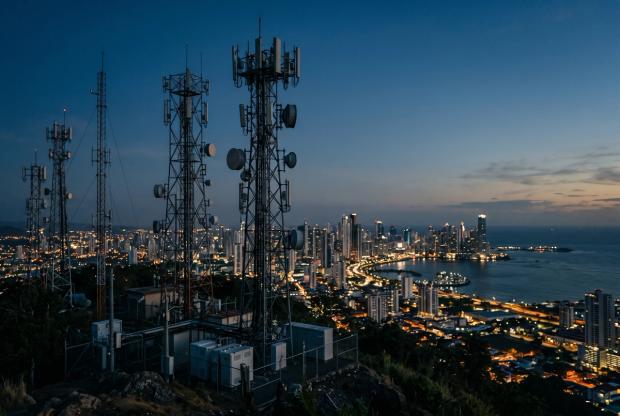
The Cabinet Council authorizes amendments and a concession termination agreement for telecommunications licenses in connection with the economic concentration between Claro Panamá and Cable & Wireless Panamá.
By Redacción Nexo Capital · May 26, 2026

Inversión y Comercio
The Cabinet Council approves the hiring of AECOM for engineering advisory services on the Albrook–Sajalices segment and the feasibility study for the Panama–David–Frontera train.
By Mesa de Análisis Económico · May 25, 2026
Mercado de Valores
The SBP granted a temporary permit to Banco BISA to pursue its international license and a representative-office license to Mercantil Bank (Schweiz).
By Redacción Nexo Capital · May 24, 2026

Mercado de Valores
Accord 1-2026 of the SBP prevents the improper use of banking and fiduciary services, in line with a strengthening of the prudential framework.
By Mesa de Análisis Económico · May 23, 2026
Política Fiscal
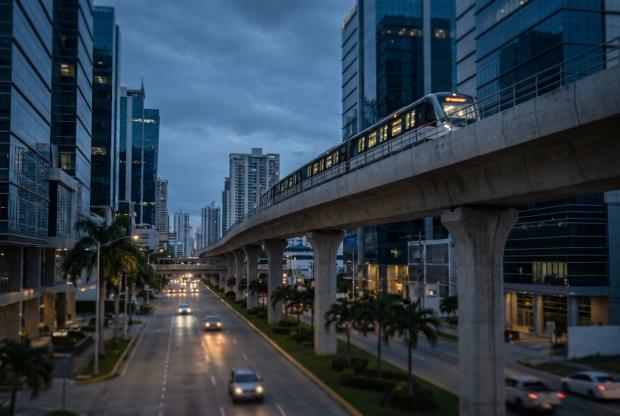
The Cabinet Council authorizes the MEF to issue guarantees of up to US$696.8 million to secure Metro de Panamá's payment obligations.
By Mesa de Análisis Económico · May 21, 2026
Política Fiscal
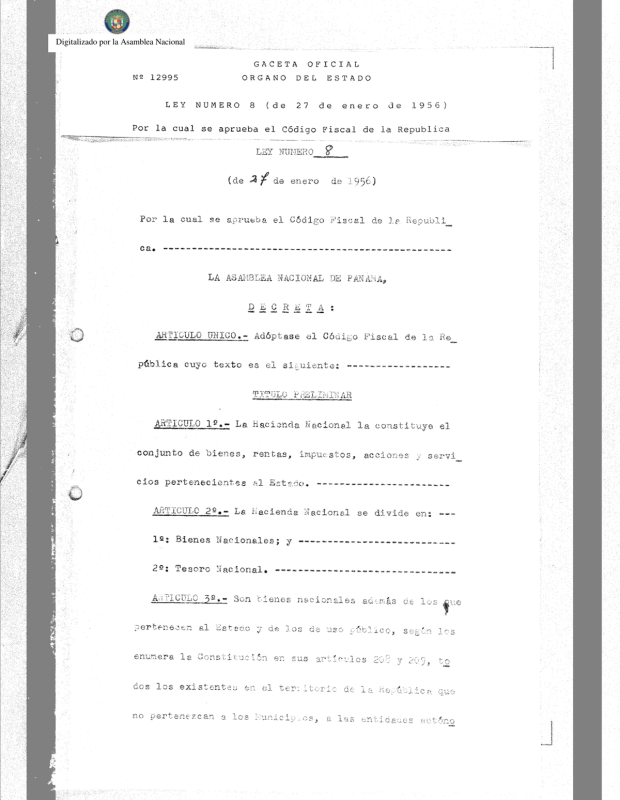
From 1956 to 2023, Panama's Tax Code has been reformed, supplemented, and partially overturned by dozens of laws. Law 8 of 2010 sits at the center of that history: in fewer than five months of enactment it was modified twice, and in 2015 the Supreme Court declared one of its provisions unconstitutional.
By Mesa de Análisis Económico · May 20, 2026

Política Fiscal
Cabinet Decree 252 of 1971 established the Labor Code that remains in force today. More than five decades later, that original text endures — but it has been reformed by successive statutes, revised by Supreme Court rulings, and expanded to cover remote work and pandemic employment protections.
By Mesa de Análisis Económico · May 12, 2026
Mercado de Valores
Panama's banking regime rests on three legislative layers: the founding decree of 1970, the 1998 reform that created the Superintendency of Banks, and the sweeping 2008 overhaul that modernised its governance — capped by a 2014 Supreme Court ruling that struck out key articles on constitutional grounds.
By Mesa de Análisis Económico · May 10, 2026
Inversión y Comercio
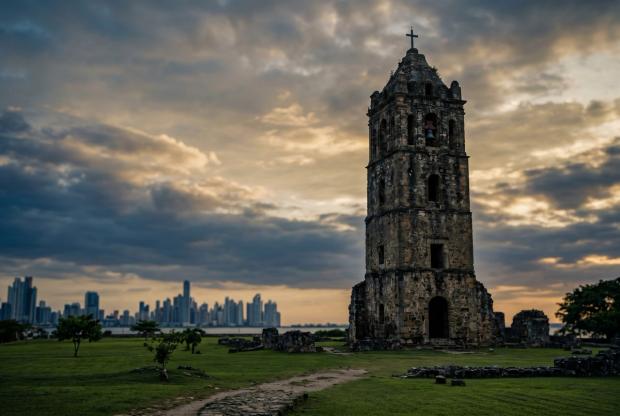
The National Assembly approved Bill 385 in its Third Debate on April 30, 2026, establishing the National Tourism and Heritage Development Program 'Paraísos del Istmo.' Inspired by Mexico's 'Pueblos Mágicos' model, the bill was sent to the Executive Branch on May 8, 2026, for promulgation or a potential veto.
By Mesa de Análisis Económico · May 9, 2026
Inversión y Comercio
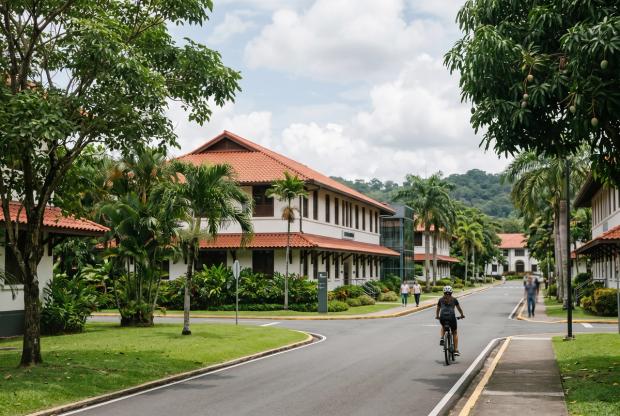
Bill 639, submitted by the Ministry of the Presidency, requests a favorable opinion from the National Assembly to sign an addendum to the original 1998 contract with the Ciudad del Saber Foundation, extending its special tax regime from February 13, 2023 to December 31, 2027.
By Mesa de Análisis Económico · May 1, 2026
Política Fiscal
The Government, Justice and Constitutional Affairs Committee rejected Preliminary Bill 442, which proposed amending Law 59 of 1999 to establish peremptory deadlines and sanctions for officials who obstruct investigations into unjustified enrichment.
By Mesa de Análisis Económico · April 30, 2026
Inversión y Comercio
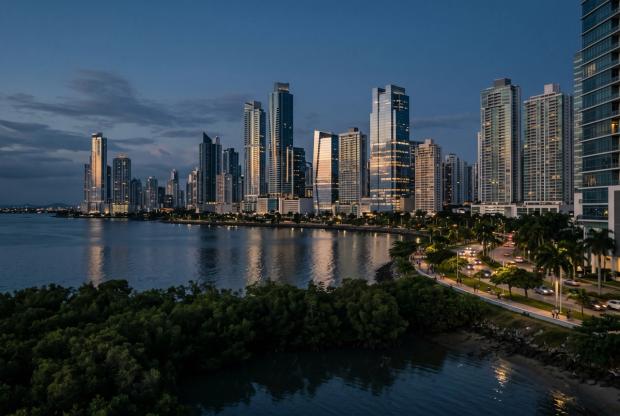
Representative Jhonathan Edir Vega of Circuit 4-5 and nine co-sponsors introduced Bill 554 in February 2026 — a sweeping reform of the horizontal property regime in response to complaints about abandoned construction sites in residential condominium developments. The bill complements Law 284 of 2022 and establishes an aggravated, joint, and strict liability regime.
By Mesa de Análisis Económico · April 30, 2026
Inversión y Comercio
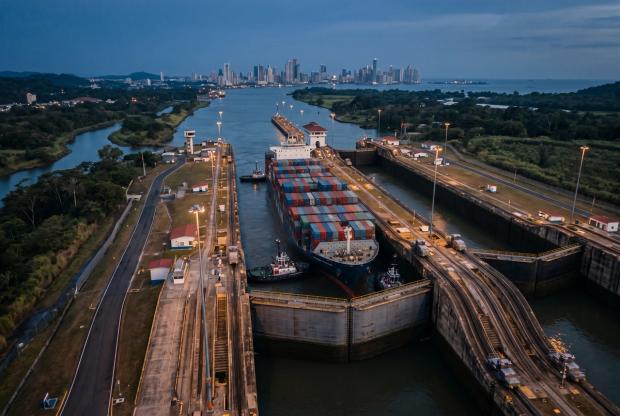
The Economy and Finance Committee is advancing a National Maritime, Port and Logistics Integration System coordinated by the Panama Maritime Authority, with the Maritime Single Window (VUMPA) as its central tool.
By Mesa de Análisis Económico · April 30, 2026
Política Fiscal
Bill 630, formerly Pre-Bill 440, proposes measures against lawsuits or legal actions used to intimidate, silence, or exhaust the resources of environmental defenders.
By Mesa de Análisis Económico · April 30, 2026
Inversión y Comercio
Representative Víctor de Jesús Castillo Cortez introduced a bill on April 27, 2026 that regulates public donation fundraising campaigns, protects donors, and adds a new criminal offense to the Penal Code to sanction those who obtain funds through solidarity deception.
By Mesa de Análisis Económico · April 28, 2026
Inversión y Comercio
Bill 638, submitted by legislator Marcos Castillero Barahona and adopted by the Commerce and Economic Affairs Committee, proposes that commercial establishments provide reusable bags or environmentally friendly alternatives without passing any cost on to the consumer, directly or indirectly.
By Redacción Nexo Capital · April 28, 2026

Inversión y Comercio
Bill 331, which would have created the regulatory framework for sports tourism in Panama with PANDEPORTE and ATP as implementing agencies, was returned to the Legislature via Note 210-2026-AL after objections regarding institutional competencies, the proposed National Fund, and municipal autonomy.
By Mesa de Análisis Económico · April 28, 2026
Inversión y Comercio
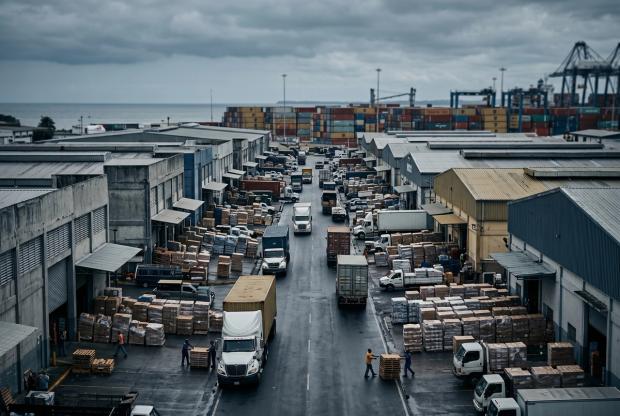
Law 32 of 2011 brought Panama's special, comprehensive, and simplified regime for the creation and operation of free-trade zones under a single legal body, repealing Law 25 of 1992 and its implementing decree. Since then it has been regulated three times by the Ministry of Commerce and Industries, amended by laws on airports, property tax, and tax administration, and remains the backdrop for proposed legislation seeking to create parallel special regimes.
By Mesa de Análisis Económico · April 26, 2026

Inversión y Comercio
The National Assembly has two bills pending a first debate, introduced on April 23, 2026 by the Ministry of Foreign Affairs, that would formalize Panama's accession to the two pillars of the international measurement system.
By Mesa de Análisis Económico · April 24, 2026
Inversión y Comercio
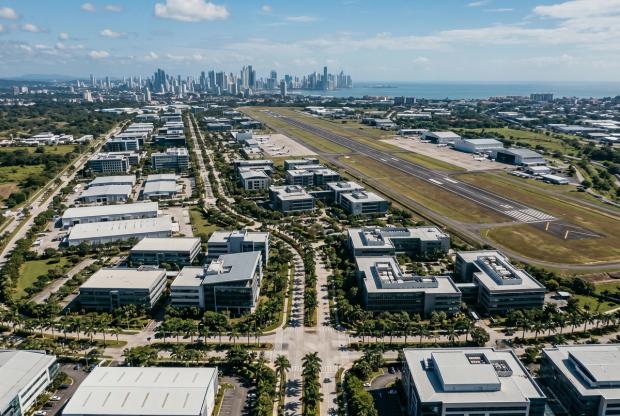
Legislator Alexandra Brenes Samaniego, of circuit 8-2, is leading a reform of Law 41 of July 20, 2004 that seeks to professionalize the leadership of the Panamá-Pacífico Special Economic Area. The bill, approved in First Reading on April 21, 2026 with six votes in favor and none against in the Commerce and Economic Affairs Committee, is pending Second Reading.
By Mesa de Análisis Económico · April 24, 2026
Inversión y Comercio
Legislator Lilia Batista Rodríguez submitted on April 21, 2026 a preliminary bill that establishes minimum insurance coverage, joint liability of the driver, owner, and company, and preventive detention of the vehicle until 125% of the estimated amount of the damages is posted.
By Mesa de Análisis Económico · April 22, 2026
Economía Digital
A preliminary bill submitted to the National Assembly on April 21, 2026 seeks to fill the legal gap faced by those who work for digital delivery, courier, and selective transport platforms in Panama, recognizing them as a special category of independent worker.
By Mesa de Análisis Económico · April 22, 2026

Economía Digital
Bill 413, which proposed regulating the development and deployment of artificial intelligence in Panama under SENACYT supervision, was rejected by the Education, Culture and Sports Committee on April 15, 2026, and brought before the plenary on April 21 without advancing.
By Mesa de Análisis Económico · April 22, 2026
Política Fiscal
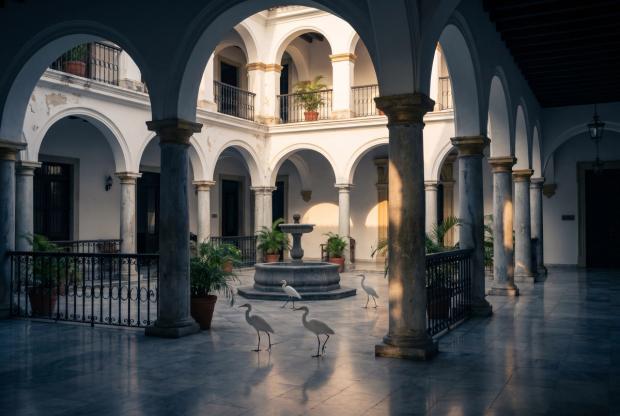
Introduced on January 8, 2026, and adopted by the Finance and Economy Commission on January 27, Bill 504 passed its First Debate on April 8, 2026. It creates the Digital Public Registry administered by ANTAI, makes prior consultation mandatory before awarding contracts, and adds new grounds of legal incapacity to contract with the state.
By Mesa de Análisis Económico · April 16, 2026

Inversión y Comercio
Executive Decree 6 of April 13, 2026, published in Official Gazette 30502-A, implements Law 497 of November 13, 2025 and defines the operational structure of PROPANAMÁ, the new office attached to the Office of the Minister of Commerce and Industry responsible for attracting foreign direct investment and promoting Panamanian exports.
By Mesa de Análisis Económico · April 13, 2026
Economía Digital
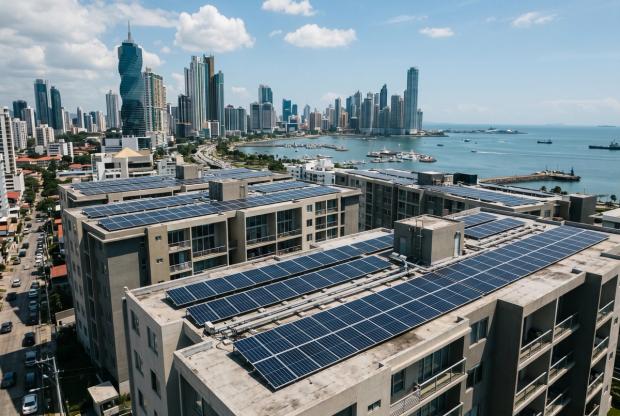
Bill 308 proposes allowing citizens without their own rooftops to generate solar energy from a site other than where they consume it and receive credits on their electricity bill, subject to regulations that ASEP must issue within twelve months.
By Mesa de Análisis Económico · March 25, 2026
Política Fiscal
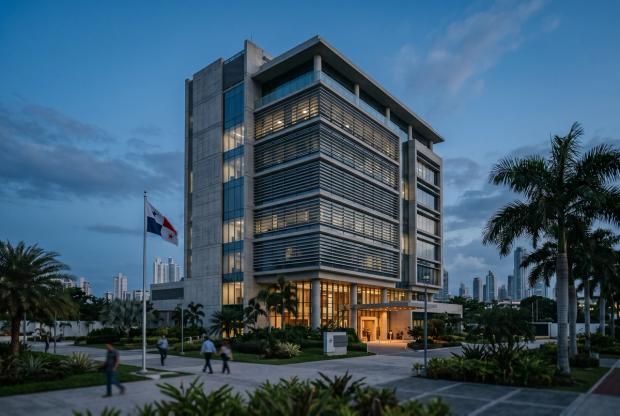
Law 22 of 2006 is the legal backbone of public procurement in Panama, a market that represents between 10 and 15 percent of GDP. It superseded Law 56 of 1995, was regulated four times by the executive branch, amended or supplemented by at least sixteen laws between 2006 and 2024, and cut back by three rulings from the Supreme Court of Justice. In 2025, two simultaneous bills seek to reform it once again.
By Mesa de Análisis Económico · March 18, 2026

Política Fiscal
Law 6 of 1997 established the regulatory and institutional framework for the provision of public electricity service in Panama. Over 28 years it was amended eleven times, supplemented on ten occasions, regulated by six executive decrees, and partially struck down by a 2015 Supreme Court ruling. This timeline explains how the legal scaffolding of Panamanian electricity was built—and continues to be built.
By Mesa de Análisis Económico · February 13, 2026
Economía Digital
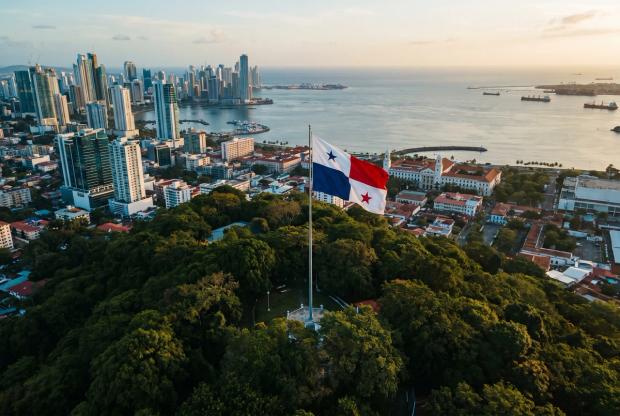
Bill 455 amends Law 6 of February 3, 1997 to recognize photovoltaic self-consumption as a right of regulated end users, with energy credits on bills, positive administrative silence and a ban on arbitrary barriers by distribution companies.
By Mesa de Análisis Económico · February 11, 2026
Política Fiscal
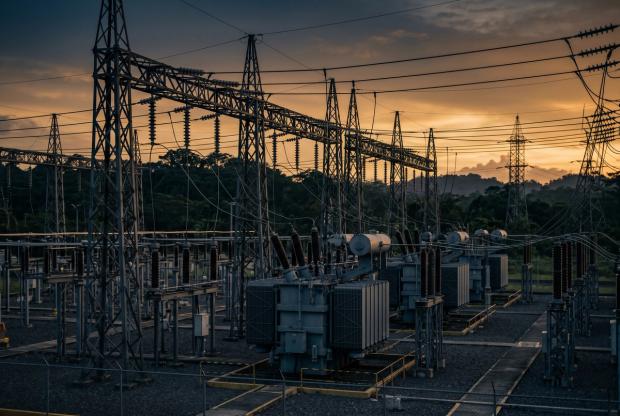
The General Administrator of the National Public Services Authority, Zelmar Rodríguez de Massiah, approved on January 19, 2026 the tariff schedule for ETESA's public electricity transmission service for the period July 1, 2025 through June 30, 2029, published in Official Gazette 30454 on January 29, 2026.
By Redacción Nexo Capital · January 29, 2026
Política Fiscal
Bill 301 proposes legalizing short-stay tourist lodging in Panama, where it currently operates extralegally, subjecting it to the ten percent ITBMS, Income Tax and the National Tourism Registry.
By Mesa de Análisis Económico · January 7, 2026

Mercado de Valores
Approved on September 16, 2025, with nine co-sponsors, Bill 53 amended Law 68 of 2016 to grant a progressive 25% discount on SOAT renewals to drivers with a zero-accident record. The Executive's full veto argues conflict with the insurance mutuality principle and with the autonomy of the Superintendency of Insurance.
By Mesa de Análisis Económico · October 29, 2025
Política Fiscal
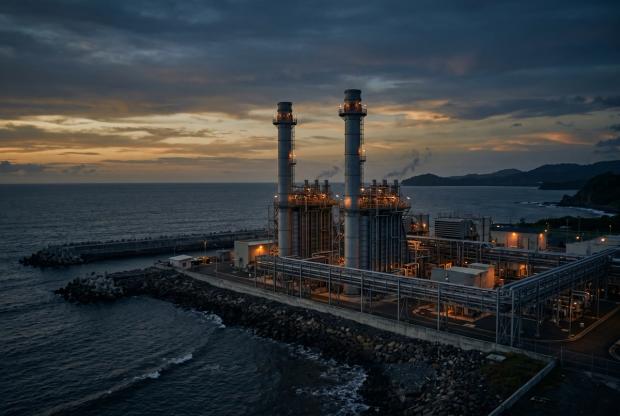
The Council of Cabinet approved on June 10, 2025 Resolution No. 58, published in Official Gazette 30298-A on June 11, 2025, which adds numeral 22 to Cabinet Resolution 60 of 2015 to authorize additional state contributions to the Tariff Stabilization Fund (FET) of up to B/.170,000,000, aimed at preventing a sharp increase in electricity bills for end customers between July and December 2025.
By Mesa de Análisis Económico · June 11, 2025
Política Fiscal
The Ministry of Health introduced Bill 163 on November 6, 2024. Spanning 526 pages and approved in Third Debate on March 13, 2025, the text amends, adds to, and repeals articles of Law 51 of 2005 to create the Composite System with a reformed Mixed Subsystem, a universal non-contributory basic pension, and a new contributions regime.
By Mesa de Análisis Económico · March 19, 2025

Inversión y Comercio
Twenty legislators from the Caribbean and Atlantic caucuses presented Bill 217 in January 2025 to turn the strategic district of Almirante into a Multimodal Economic Area. The proposal creates an autonomous entity, establishes a special fiscal and customs regime and places the Changuinola airport and the banana-tourism port of Almirante at the heart of the logistics model.
By Mesa de Análisis Económico · February 21, 2025

Política Fiscal
In a unanimous December 2024 ruling, the Supreme Court of Justice denies the cassation appeal against the judgment ordering the reinstatement of a worker with motor disability, holding that an employer's refusal to accept the Social Security Fund's fitness certification constitutes constructive dismissal and violates the protection granted by Law 42 of 1999.
By Mesa de Análisis Económico · January 22, 2025
Política Fiscal
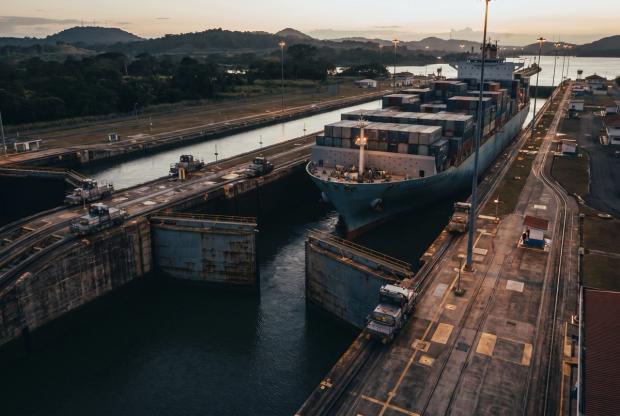
The National Assembly enacted Law 445 on October 28, 2024, reforming the Social Fiscal Responsibility Law and establishing annual deficit limits, a debt anchor of 40% of GDP, and a Fiscal Council with technical autonomy.
By Redacción Nexo Capital · October 29, 2024
Política Fiscal
The Full Bench of the Supreme Court of Justice declared that Article 4 of Executive Decree No. 143 of September 29, 2006, which adopts the consolidated text of Law 26 of 1996 on the Public Services Regulatory Authority, is not unconstitutional. The challenge argued that the precautionary protection afforded to radio, television, and telecommunications concessionaires violated the principle of equality before the law with respect to print and digital media.
By Mesa de Análisis Económico · July 5, 2024

Mercado de Valores
In a unanimous ruling dated March 6, 2024, the Third Chamber of the Supreme Court declared that Resolution SBP-0016-2018, which imposed fines on a general-license banking entity, is not illegal, consolidating the principle that obligations under the anti-money-laundering prevention regime require continuous compliance and cannot be remedied retroactively.
By Mesa de Análisis Económico · March 7, 2024

Inversión y Comercio
The Supreme Court of Justice, sitting in Full Bench, declared constitutional res judicata with respect to Law No. 406 of 2023, which approved the mining concession contract between the State and Minera Panamá, S.A., upon finding that the same court had already declared it unconstitutional weeks earlier.
By Mesa de Análisis Económico · January 31, 2024

Mercado de Valores
The Third Chamber for Administrative Disputes of the Supreme Court of Justice declared lawful Resolution SBP-0041-2021, through which the Superintendency of Banks of Panama sanctioned a general-license bank with fines that, after internal appeals, were set at B/.288,000 for violations of the anti-money-laundering regime and B/.162,000 for violations of the banking regime.
By Mesa de Análisis Económico · May 24, 2023
Política Fiscal
The Full Bench of the Supreme Court of Justice declared the claim inadmissible in the constitutional challenge brought against several phrases of the first paragraph of Article 3 of Law No. 280 of December 30, 2021, which regulates the practice of the certified public accountant (CPA) profession. The court, with magistrate Cecilio Cedalise Riquelme as the opinion author, determined on September 5, 2022 that the challenger had not stated the concept of the constitutional violation clearly — an indispensable requirement under article 2560 of the Judicial Code.
By Mesa de Análisis Económico · November 18, 2022
Inversión y Comercio
In a ruling dated July 5, 2022, the Third Chamber of the Supreme Court declared legal an ACODECO resolution that sanctioned a business entity in the automotive sector with a fine of two thousand balboas for violating Law 45 of 2007, establishing that no parallel investigative process is required to impose a sanction once a consumer violation has been proven.
By Mesa de Análisis Económico · July 27, 2022
Política Fiscal
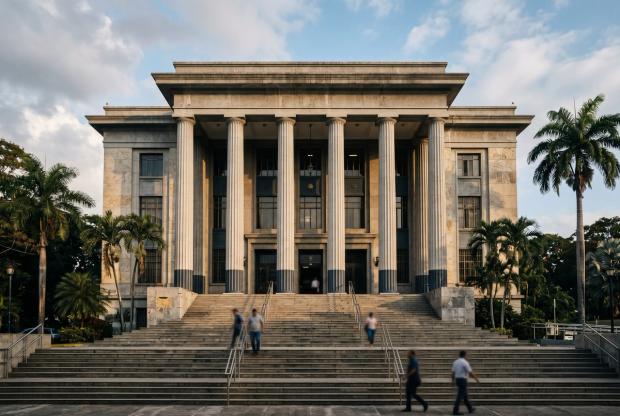
The Third Chamber of the Supreme Court of Justice dismissed in July 2022 a contentious-administrative complaint filed by the DGI against the Administrative Tax Tribunal, establishing that the tax authority cannot use that judicial avenue to reverse decisions issued by its own administrative appellate body.
By Mesa de Análisis Económico · July 9, 2022

Inversión y Comercio
The Third Administrative Litigation Chamber of the Supreme Court declared that Permanent Water Concession Contract No. 004-12 of 2012, signed between the former National Environment Authority and a concessionaire company for a hydroelectric project in the province of Chiriquí, is not illegal.
By Mesa de Análisis Económico · June 22, 2019
Inversión y Comercio
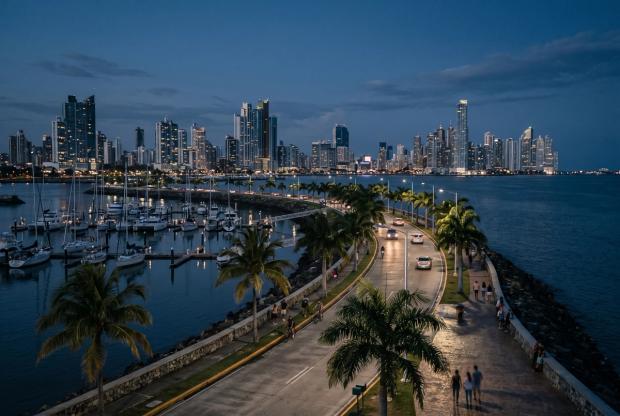
The Ministry of Economy and Finance has formalized the regulatory framework for the Country-by-Country Report (CbCR) in line with the OECD BEPS Action 13 standard, effective May 27, 2019, with the first filing obligation applying to fiscal year 2018.
By Redacción Nexo Capital · May 28, 2019
Política Fiscal
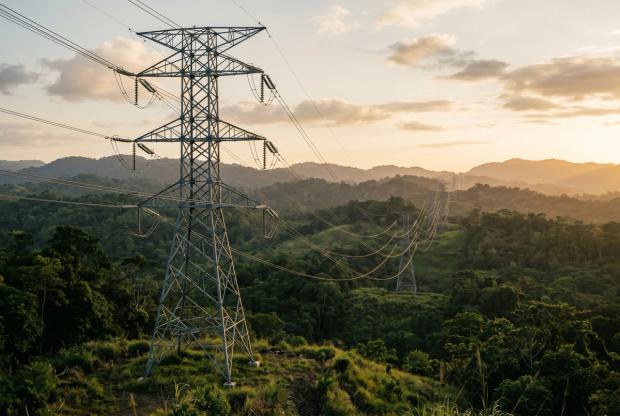
The Full Bench of the Supreme Court of Justice declared that the phrases contained in articles 145 and 146 of Law 6 of February 3, 1997, empowering the Public Services Regulatory Authority — now ASEP — to impose sanctions on electricity service providers, are not unconstitutional. The ruling of August 13, 2012 held that the separation between the investigative function and the decision-making function satisfies the due-process guarantee.
By Mesa de Análisis Económico · August 13, 2012