Law 22 of 2006: nearly twenty years of reforms to Panama's public procurement law
It superseded Law 56 of 1995, accumulated sixteen legislative reforms, four executive regulations, and three unconstitutionality rulings; today it faces two simultaneous bills in the National Assembly.
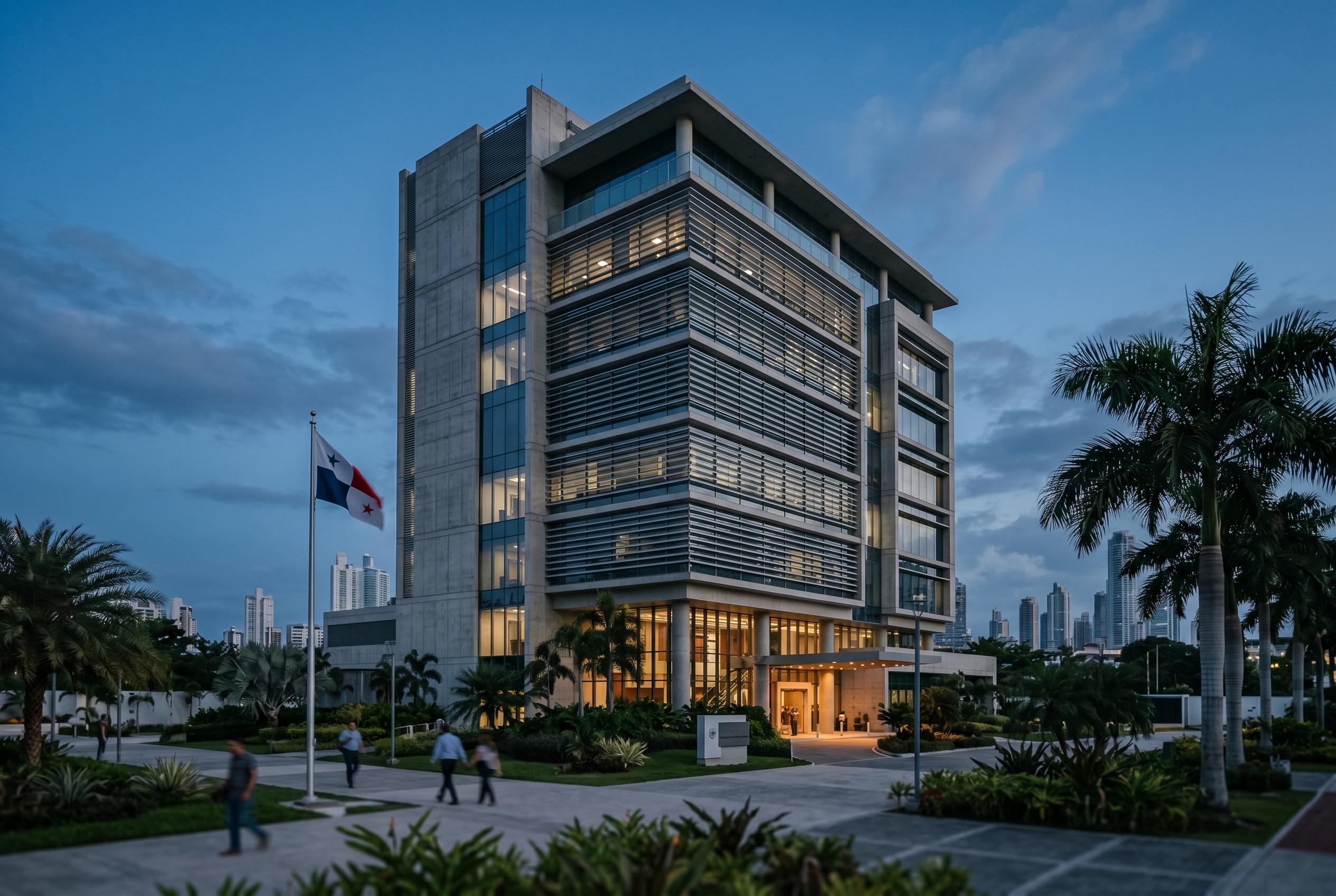
On June 27, 2006, the National Assembly approved Law 22, which regulated public procurement and superseded Law 56 of December 27, 1995, the previous statute on the subject. In addition to superseding Law 56, the new statute repealed Executive Decree 18 of 1996—its implementing regulation—Executive Decree-Law 4 of 2006, and Executive Decree-Law 7 of 1997, which had adjusted the prior regime. The law took effect six months after enactment and required all Central Government entities and companies in which the state holds 51 percent or more of shares to comply with its principles and procedures for public tender, direct contracting, and price solicitation.
The executive branch regulated Law 22 through Executive Decree 366 of December 28, 2006, which governed the law for more than a decade and was adjusted on several occasions. In 2008, Executive Decree 77 specifically developed Article 58 on bid evaluation, itself amended that same year by Law 21. In 2018, Executive Decree 40 of April replaced Decree 366 as the general implementing regulation; it was in turn amended by Decree 329 of October 2018. In September 2020, amid the pandemic, Executive Decree 439 replaced Decree 40 and is today the regulation in force, subsequently amended by Decree 34 of August 2022.
Legislative reforms began the same year the law was enacted: Law 35 of October 2006 introduced the first adjustments, and Law 2 of January 2007 repealed specific provisions. Between 2008 and 2012 six further reforms accumulated: Law 21 of 2008 (bid evaluation), Law 41 of 2008 (general reform), Law 69 of 2009 (prohibition of price-equalization clauses), Law 80 of 2009 (provisions on coastal zones that touched the procurement regime), Law 12 of 2010 (amendments and additions), and Law 66 of 2010. Law 30 of 2010 introduced changes in the context of projects of national interest. In 2011, Law 48 expanded the text with additional provisions.
Three rulings from the Supreme Court of Justice marked milestones in the law's history. The first, in December 2008, declared an article of the original text unconstitutional. The second, in April 2016, struck down Articles 22 (paragraph), 28, and 29 of Law 48 of 2011—which had amended Law 22—on constitutional grounds, and also declared a phrase in Article 20 of that same reform unconstitutional. The third, in August 2021, declared Article 70 of the Consolidated Text ordered by Law 153 of 2020 unconstitutional; that provision governed the procedure for challenging contracts. Additionally, in March 2020 the Court declared the second paragraph of Article 43 of Law 61 of 2017 unconstitutional—that paragraph had amended Article 60 of Law 22.
The two most recent comprehensive reforms were Law 61 of September 2017—which restructured substantial parts of the text, created new contracting modalities, and was subsequently regulated by Decree 40 of 2018—and Law 153 of May 2020, which ordered the issuance of the current Consolidated Text and expanded the grounds for direct contracting during emergencies. Law 62 of 2012 incorporated obligations from the Panama–United States Trade Promotion Agreement relating to transparency in public procurement. Law 82 of 2012 added articles on electronic signatures in procurement procedures. Law 419 of 2024 adjusted specific provisions governing the public procurement of medicines and medical equipment.
In 2025 the National Assembly is simultaneously considering two bills that affect the regime. Bill 504, known as the Sanctioned List, seeks to create a national registry of companies and individuals barred from contracting with the state, closing loopholes that allow sanctioned contractors to participate in new processes under different names. The legislative debate unfolds in a context where public procurement represents between 10 and 15 percent of Panama's GDP, according to estimates from the Contraloría General de la República, making any reform to the system for qualifying and evaluating bidders a decision with significant fiscal consequences.
Sources
- Ley 22 de 2006 — Regula la contratación pública
- Ley 56 de 1995 — Regula la contratación pública (subrogada por Ley 22 de 2006)
- Decreto Ejecutivo 366 de 2006 — Reglamento de la Ley 22 de 2006
- Ley 21 de 2008 — Reforma la Ley 22 de 2006 (evaluación de ofertas)
- Ley 41 de 2008 — Reforma la Ley 22 de 2006
- Ley 69 de 2009 — Prohíbe cláusulas de equiparación; reforma contrataciones públicas
- Ley 12 de 2010 — Modifica y adiciona artículos a la Ley 22 de 2006
- Ley 48 de 2011 — Reforma la Ley 22 de 2006
- Fallo de la Corte Suprema de Justicia de 23 de diciembre de 2008 (inconstitucionalidad, Ley 22 de 2006)
- Fallo de la Corte Suprema de Justicia de 18 de abril de 2016 — Inconstitucionalidad artículos de la Ley 48 de 2011 (reforma Ley 22)
- Ley 62 de 2012 — Disposiciones del TPC Panamá-EE.UU.; adiciona artículos a Ley 22
- Ley 61 de 2017 — Reforma integral de la Ley 22 de 2006
- Decreto Ejecutivo 40 de 2018 — Reglamenta la Ley 22 de 2006
- Ley 153 de 2020 — Reforma la Ley 22 de 2006; ordena Texto Único
- Texto Único de la Ley 22 de 2006, ordenado por la Ley 153 de 2020 (publicado 2020)
- Decreto Ejecutivo 439 de 2020 — Reglamenta la Ley 22 de 2006 (reglamento vigente)
- Fallo de la Corte Suprema de Justicia de 4 de agosto de 2021 — Inconstitucionalidad artículo 70 del Texto Único de la Ley 22 de 2006
- Ley 419 de 2024 — Adquisición pública de medicamentos; modifica Ley 22 de 2006