Full Bench dismisses constitutional challenge against Law 280 of 2021 regulating the practice of public accounting
The Supreme Court declared the constitutional challenge against Article 3 of Law 280 — which defines activities reserved for certified public accountants — inadmissible for failure to articulate the alleged constitutional violation with sufficient clarity.
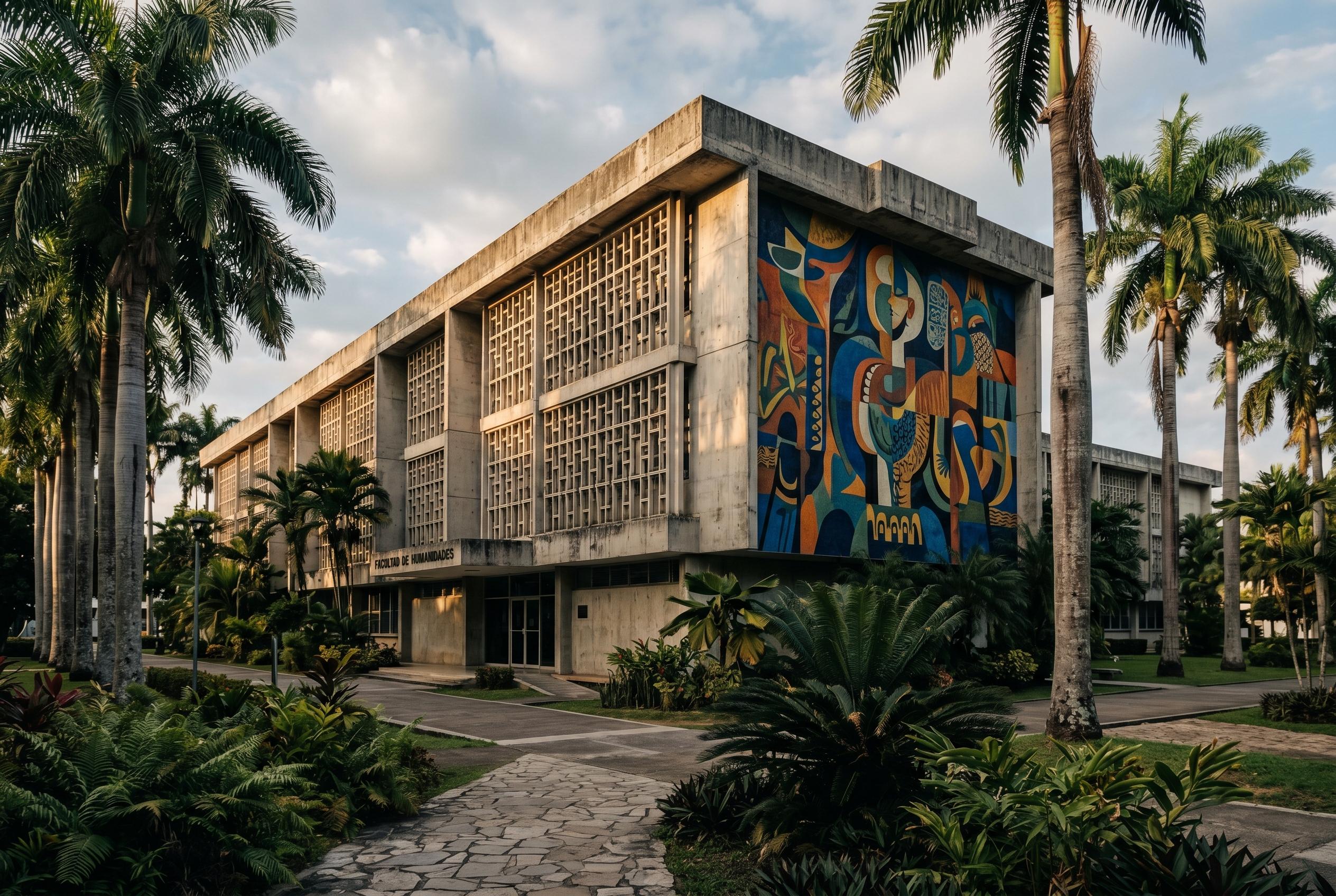
The Full Bench of the Supreme Court of Justice, with magistrate Cecilio Cedalise Riquelme as the opinion author, declared the claim inadmissible on September 5, 2022 in the constitutional challenge brought against several phrases of the first paragraph of Article 3 of Law No. 280 of December 30, 2021, published in Official Gazette No. 29445-E, which regulates the practice of the certified public accountant (CPA) profession and repeals Law No. 57 of September 1, 1978. The decision became final on November 17, 2022. The case was filed under docket number E405302022.
The challenged Article 3 defines as accounting activities reserved exclusively for CPAs services such as audits of public and private enterprises, tax advisory, managerial advisory on accounting matters, financial studies and projections, and curatorial services in liquidations and bankruptcies. The challenger argued that this definition violated article 40 of the Constitution, which guarantees freedom to practice a profession or trade, and article 298, which enshrines free economic competition, by improperly excluding business administration graduates, economists, industrial engineers, and lawyers from activities that, in his view, are not exclusive to CPAs.
The Full Bench, without ruling on the constitutional merits, rejected the challenge for failure to comply with numeral 2 of article 2560 of the Judicial Code: the obligation to identify the constitutional provisions alleged to be infringed and to develop the concept of the violation in a clear, precise, and legally grounded manner. The court found that the challenger confined himself to subjective and hypothetical assertions, without demonstrating through objective arguments what the specific conflict between the challenged phrases and the mandates of the Constitution actually consists of. The Full Bench's case law requires this section to constitute a logical-legal analysis that confronts the challenged provision with the Constitution, not a recitation of supposed consequences.
The Full Bench, composed of magistrates Cedalise Riquelme, Chen Stanziola, Cheng Rosas, Cornejo Batista, López Arias, Russo de Cedeño, Vásquez Reyes, Arrocha Osorio, and Alonso Mojica, was unanimous in ruling the claim inadmissible. The ruling reaffirms that the function of the constitutional court is to decide on alleged constitutional violations that have been stated with legal precision — not to supply an argument's deficiencies or to infer the concept of the violation on behalf of the challenger.
Although the decision is procedural in nature, its practical significance is considerable. Law 280 of 2021 regulates the profession that performs core functions within Panama's regulatory compliance system: CPAs are the external auditors of companies listed on the Bolsa de Valores de Panamá, sign the financial statements submitted to the Superintendency of the Securities Market, and certify the accounting information required by the SBP in due-diligence processes. The inadmissibility ruling does not permanently close the debate over the activities reserved by Article 3, but it imposes a high technical threshold on any future challenger seeking to contest the delimitation of the CPA's professional field.
Sources
- Corte Suprema de Justicia — Pleno, demanda de inconstitucionalidad Art. 3 Ley No. 280 de 2021 (CPA), ficha E405302022 (resolución 05-09-2022)