Supreme Court backs a judge's removal of expert questions already rejected in an orchid dispute
The full Court held that, even if the route taken by the trial court was debatable, there was no constitutional harm that justified an amparo.
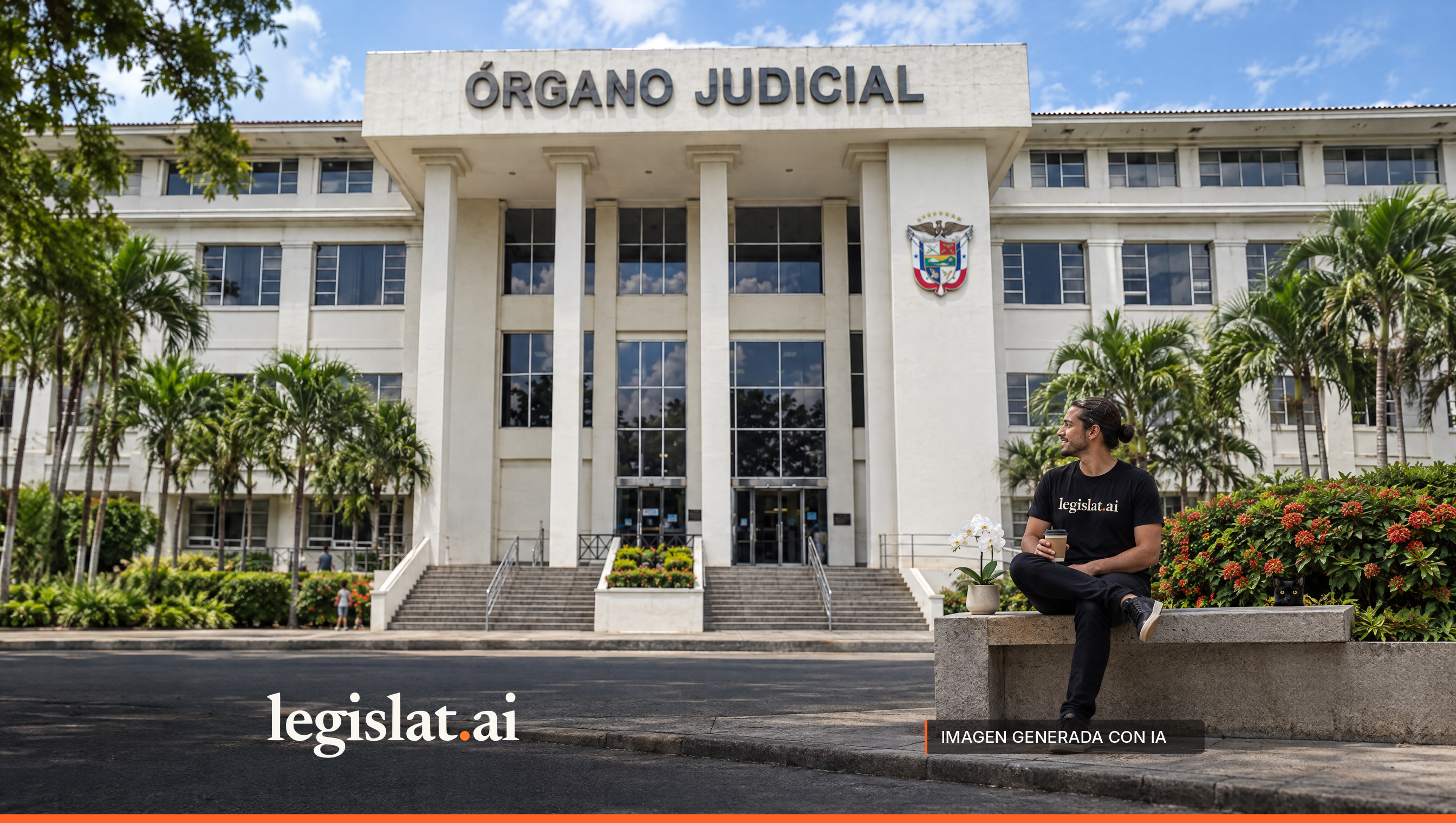
The full bench of the Supreme Court of Justice upheld, in a ruling dated September 16, 2026 (Entry 80611-2026), the decision of the First Superior Court of the First Judicial District that denied the constitutional amparo filed by Hacienda Loma Linda, S.A., against Order No. 461 of February 11, 2026 of the Third Liquidating Civil Circuit Court of the First Judicial Circuit of Panama. The ruling became final on October 29, 2026.
The case is an international private law dispute resolution proceeding against The Scotts Company LLC and Everris NA Inc., in which expert evidence on orchid cultivation and fertilizer use was admitted. The plaintiff sought to expand that expert report with a questionnaire of forty-seven (47) questions. The trial court rejected it in 2023 and the full Court, in a ruling of March 6, 2024, found that those questions sought to introduce new evidence out of time.
In December 2025, Order No. 181 ordered the plaintiff's questionnaires to be included. The defendants requested a correction and Order No. 461 removed that instruction, based on Article 999 of the Judicial Code on clarifications and corrections. The plaintiff argued that a correction had been used to change a substantive decision.
The full Court answered that, even if the correction mechanism did not fully meet the requirements of Article 999, the order caused no independent constitutional harm, because it only brought the proceeding into line with what the Court had already decided about those questions. It reiterated that not every procedural irregularity has constitutional relevance and that an amparo requires a certain, current and serious harm to a fundamental right.
For companies litigating in Panama, the ruling reinforces two standards: what the full Court decides in an amparo binds the trial judge, and that route cannot be used to reopen closed evidentiary stages. For the agricultural and inputs industries, the underlying case remains unresolved and the expert evidence continues through ordinary channels.
The ruling does not decide who is right in the main dispute. According to Sentinel Legal, Article 999 is part of Book Two of the Judicial Code, repealed by the Civil Procedure Code since October 2025. Nexo Capital will follow this case.
Research assisted by Sentinel, with editorial verification of official sources. Discover Legislat.ai