Cabinet approves B/.39.2 million for Social Security Fund and refers appropriation to Assembly
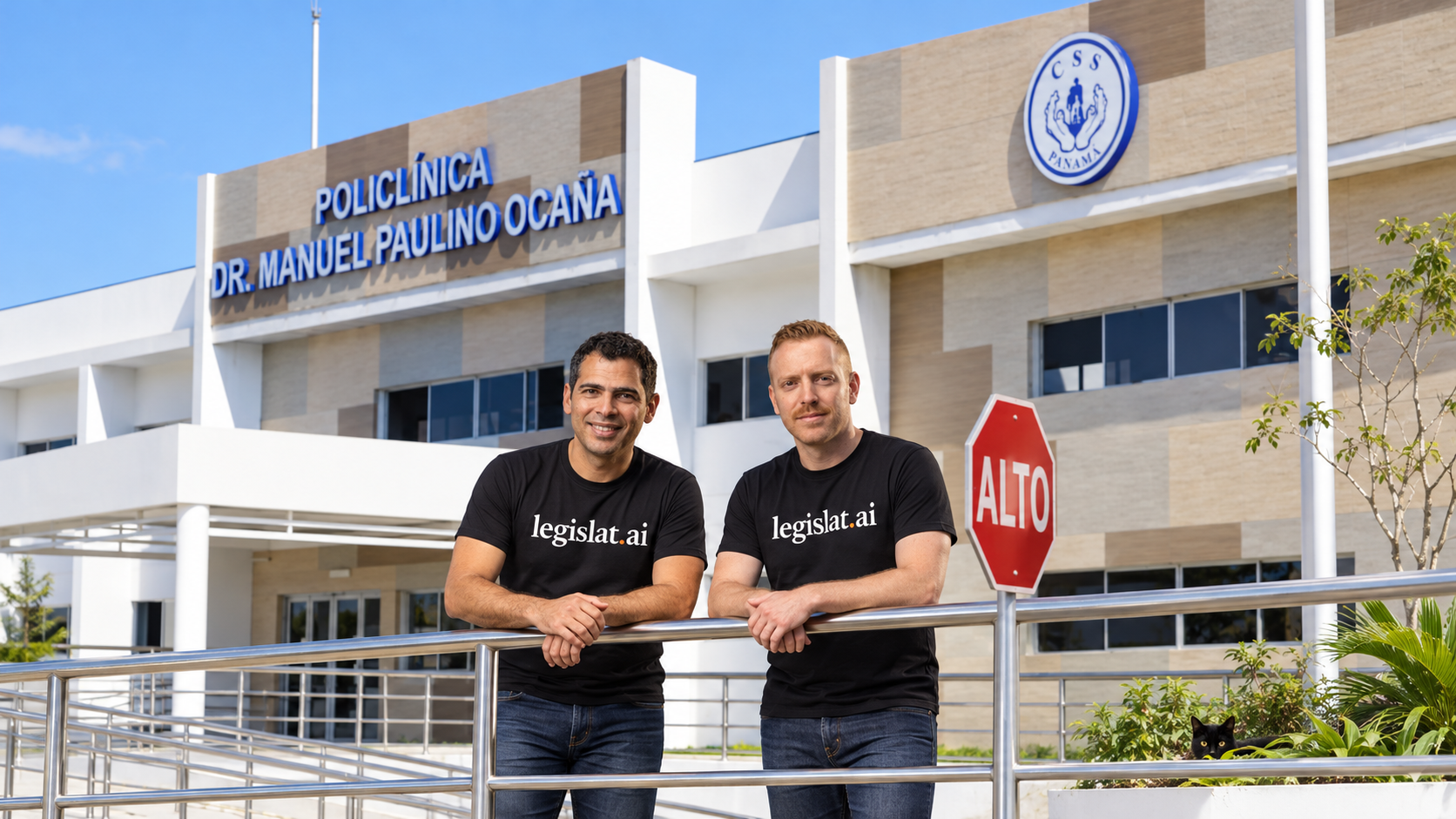
Panama’s Cabinet Council approved an additional B/.39.2 million appropriation for the Social Security Fund’s 2026 operating budget. Cabinet Resolution 112, dated October 13 and published the following day in Official Gazette 30634, directs the Ministry of Economy and Finance to submit it to the National Assembly’s Budget Committee for consideration.
The proposed funding comes from the institution’s cash and bank balances. The resolution allocates the entire amount to operating expenditure and justifies the request by reference to priority expenses needed to maintain operations through the end of the fiscal year. Article 4 envisages committee approval and subsequent registration of the detailed revenue and expenditure classifications before execution.
The Cabinet decision therefore represents one step in the budget procedure. The document reviewed does not establish subsequent legislative approval, disbursement, or specific purchases or payments. Nor does it allow the full amount to be attributed to medicines, pensions or a particular facility.
For insured patients, the relevant question is how this procedure could support continuity of service. Answering it will require linking authorized resources to specific needs and, subsequently, to verifiable results. The announced figure alone does not indicate which services will improve, when improvements will occur or how many people will benefit.
The distinction also matters to suppliers and businesses dealing with the institution. A budget increase may inform planning, but it does not replace checking a procurement contract, purchase order or particular outstanding obligation. Treating it as a guarantee of immediate payment could lead to commercial decisions unsupported by the available evidence.
Useful follow-up involves monitoring the Budget Committee’s decision and, where applicable, incorporation and execution of the additional appropriation. That sequence will help distinguish authorization from resources actually used. Assessing the effect on services requires a detailed picture of expenditure, not merely the total approved by Cabinet.
The development therefore opens an agenda for transparency and follow-up without anticipating its results. The next material information will be the legislative body’s decision and the detailed budget framework under which the resources proceed. The consequences for citizens and businesses will depend on that sequence and on documented execution. Until those later steps are established, the distinction between a proposed budget expansion and a demonstrated service improvement remains essential to interpreting the announcement accurately.