Proposal seeks stronger evidentiary status for interviews with child victims of sexual offences
Shirley Castañedas presented proposed Criminal Procedure Code amendments to reduce repeated testimony. The initiative remains at a preliminary stage.
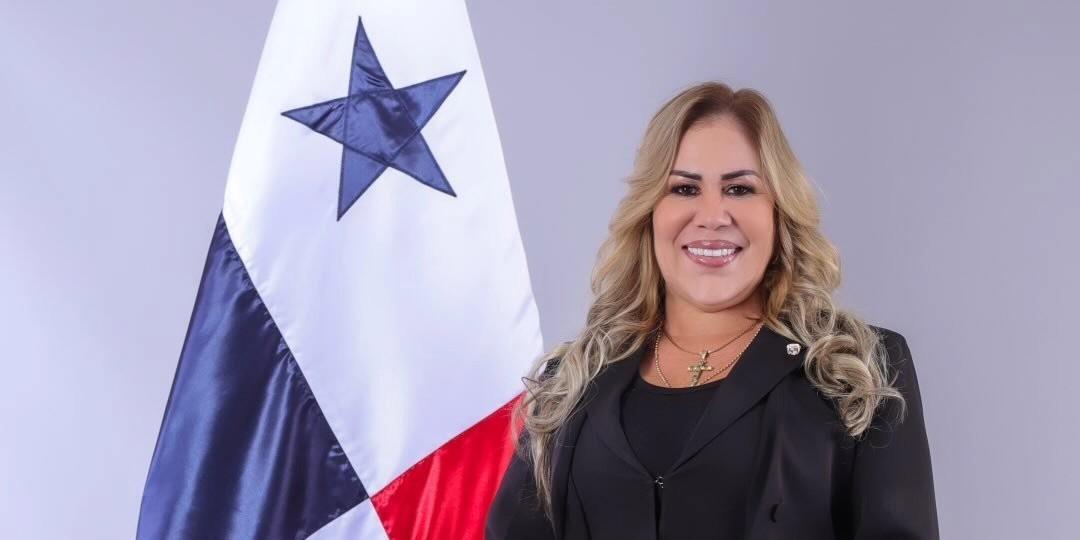
Deputy Shirley Castañedas presented a proposal on October 15, 2026 to treat interviews with child victims of sexual offences as evidence taken before trial. According to the National Assembly, the initiative seeks to prevent children from repeatedly describing events to different authorities. The legislative catalogue consulted lists Preliminary Bill 210 with the same sponsor, date and title of amendments to the Criminal Procedure Code. It remains at a preliminary stage and is not a change already in force.
During the presentation reported by the Assembly, Castañedas proposed that a statement be given once before a guarantees judge and recorded for subsequent use at trial. Her explanation focuses on recognising a psychological interview conducted through a Gesell chamber as pretrial evidence from the outset, rather than treating it solely as an administrative procedure. The legislator linked this approach to protecting victims and preserving their testimony.
Gesell chambers are already among the tools used by Panama’s judicial system. On July 23, the Judicial Branch reported training on applying its manual, including a session held the previous day in Chiriquí. Justice professionals participated, covering forensic interviews, pretrial evidence, assessment of testimony and the judge’s role. This background matters: the legislative proposal should not be confused with the creation of a tool that already has institutional uses and training.
The institutional experience also shows that taking a statement and assessing it within proceedings are different stages. Judges, public defenders, victims’ counsel and psychologists attended the sessions reported by ISJUP. The programme included good practices for obtaining testimony and examining its evidentiary value, alongside standards for protecting rights. This earlier work provides context for the legislative discussion. It does not demonstrate that the announced reform is already being applied by the courts.
For families and professionals supporting victims, the stated objective is to reduce repeated accounts and preserve a statement that courts can use. The proposal remains at a preliminary stage, with no first debate recorded in the catalogue entry consulted. Presenting it does not itself alter the rules currently in force or demonstrate improvements in care. Those outcomes would depend on the text ultimately approved and how it is applied in individual proceedings. The distinction between an announced objective and an effective legal change remains essential.
Research assisted by Sentinel, with editorial verification of official sources. Discover Legislat.ai