A bill seeks to set into law the subsidy for buying a first social-interest home
The initiative, adopted on October 28 by the Committee on Public Infrastructure and Canal Affairs, sets a US$120,000 price cap and contributions of up to 10% based on household income.
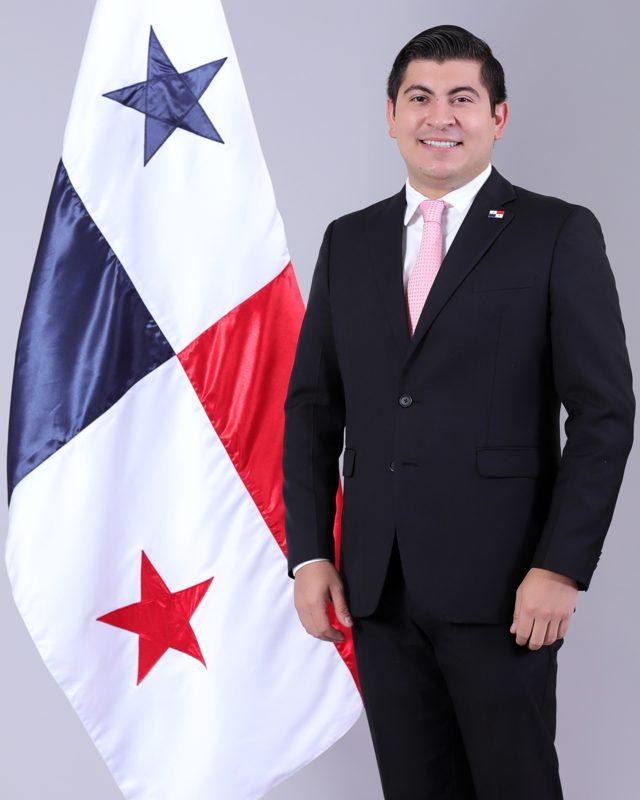
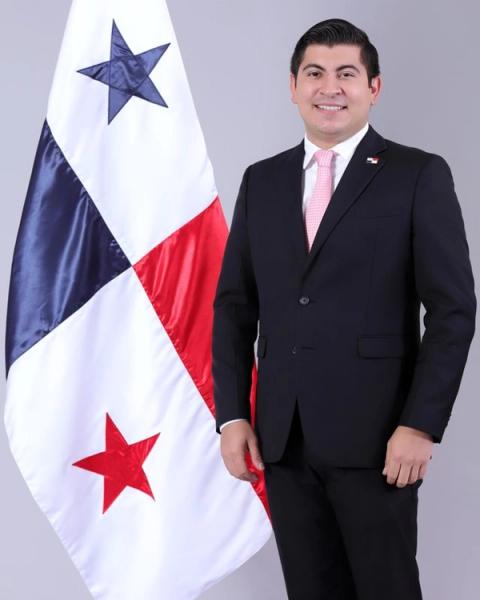
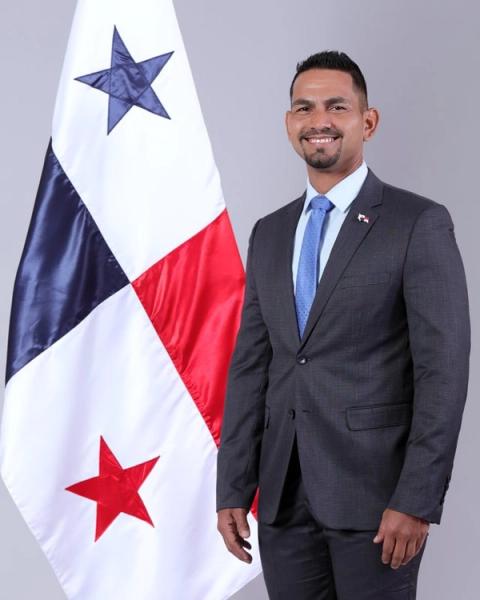
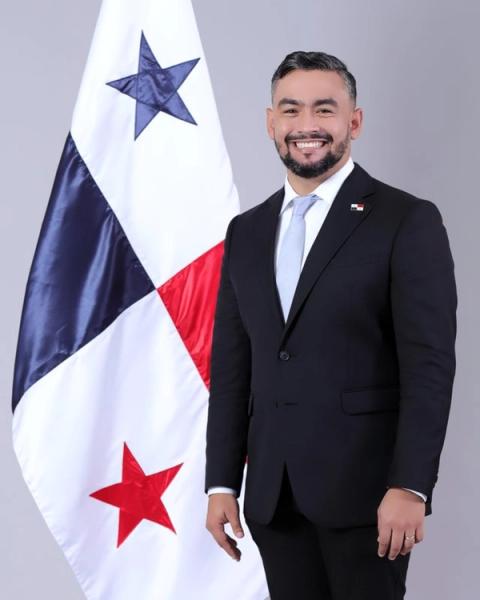
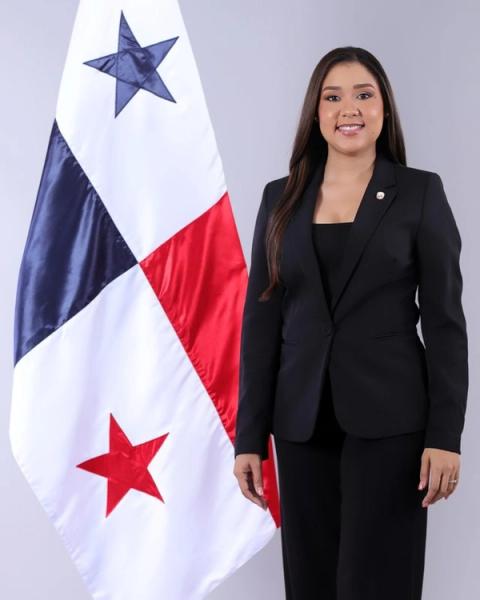
Bill 764, which creates the Social and Territorial Integration Program and regulates the subsidy for acquiring a first social-interest home, is now pending first debate in the National Assembly. The Committee on Public Infrastructure and Canal Affairs adopted it on October 28, 2026, from Draft Bill 135, filed on August 12 by Deputy Jorge Bloise. The legislative record also lists Deputies Miguel Ángel Campos Lima, Jorge Alberto González López, Lenín Ulate Rodríguez, Luis Duke Walker and Yamireliz Chong Smith as sponsors.
Article 6 of the bill creates the program and a National Solidarity Housing Fund, managed by the Ministry of Housing and Land Management (MIVIOT), to grant a non-refundable financial contribution per household. Article 14 limits the benefit to new homes priced at up to US$120,000, land included, and to households with monthly income of up to US$2,000. The maximum subsidy as a share of the sale price falls as income rises: 10% for incomes up to US$800, 8% up to US$1,200, 6.7% up to US$1,600 and 5.3% up to US$2,000. Eligible homes would have at least 50 square meters, two bedrooms and one bathroom (Article 31).
The design focuses on payment. Article 12 ties each Housing Subsidy Certificate to its own budget allocation, carried over automatically to following years until it is paid. Article 28 names Banco Nacional de Panamá as paying agent and provides for a Payment Promise Letter within fifteen (15) business days after the developer submits the property registration in the buyer's name. Article 33 makes that registration the sole requirement for collection and bars MIVIOT from demanding others or delaying payment, except on reasoned signs of fraud or duplication.
For developers and mortgage lenders, the text could reduce the collection uncertainty that the statement of reasons attributes to the current Solidarity Housing Fund, created by executive decree. Article 7 would also prevent the program from being suspended by decree.
The effect depends on several steps. The bill must clear three debates and receive executive sanction. In addition, Article 40 makes disbursements subject to budget availability and to the Social Fiscal Responsibility Law, and Article 42 gives the Executive 120 days to issue regulations. Nexo Capital will follow the first debate of Bill 764.
Research assisted by Sentinel, with editorial verification of official sources. Discover Legislat.ai
Debate stills