Proposal would expand municipal emergency spending and raise the operating allocation from 2028
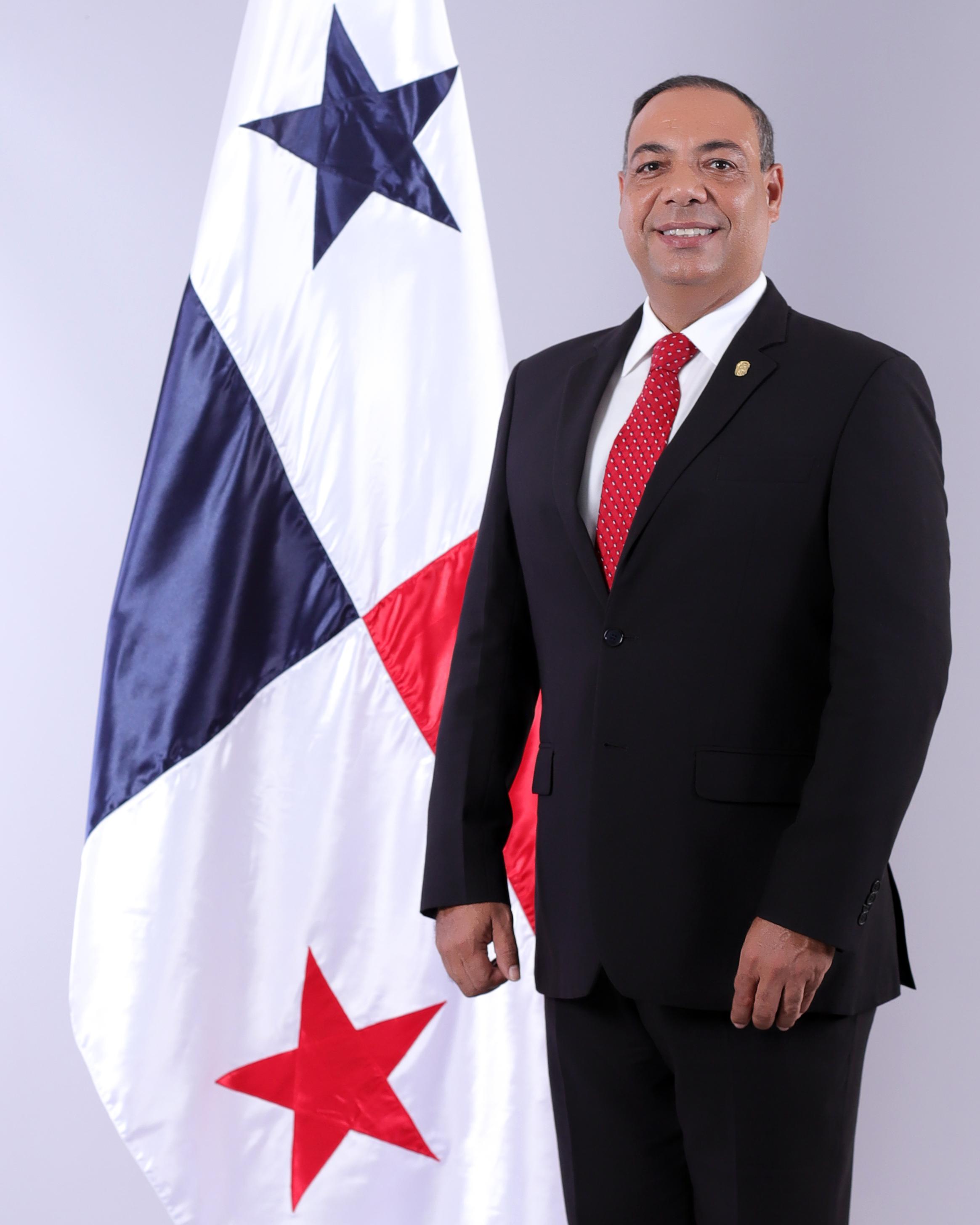
Preliminary Bill 207 proposes greater flexibility in the use of property-tax funds received by municipalities for emergencies and reconstruction. Presented on October 13, 2026, by lawmaker Javier Francisco Sucre Mejía, it also includes a change extending beyond the immediate response: allowing up to 40% for operating expenses from 2028.
The proposal amends provisions of Law 37 of 2009 on decentralization. During fiscal years 2026 and 2027, municipalities affected by the earthquake-related state of emergency could use up to 100% of property-tax receipts, including uncommitted balances from previous years, for the comprehensive humanitarian-assistance expenses defined in the text.
Proposed uses include temporary shelters, food, medical supplies and contingency subsidies. They also cover administrative and logistical expenses, social works, debris removal and rehabilitation of community infrastructure connected with disaster response, mitigation and reconstruction under an official emergency.
The second component warrants separate budgetary attention. From fiscal year 2028, the provisions would allow up to 40% of these resources to cover municipal operating expenses; the remainder would be reserved for local development projects and investment. The initiative therefore extends beyond the expiry of the extraordinary authorization for 2026 and 2027.
For mayors’ offices, community boards, contractors and legal advisers, the distinction matters: more flexible use of funds could facilitate operational responses, but could also change the distribution between operating expenditure and investment. The actual effect would depend on available resources, budget decisions and the text ultimately approved.
The preliminary bill retains references to municipal planning. Works and projects financed through these transfers would be included in an Annual Works and Investment Plan, approved by a council resolution with a three-quarters majority. It also states that its rules do not waive compliance with Article 112-I of Law 37.
The explanatory memorandum grounds the initiative in the seismic emergency and cites Cabinet Resolution 108 of October 10, 2026. That reference does not turn the proposed reform into spending authorization already available to municipalities.
According to the legislative file, the proposal falls under the Municipal Affairs Committee and remains pending committee adoption. It is not yet law. Monitoring should distinguish the temporary emergency response from the new operating-expense threshold proposed for 2028, rather than treating both as a single measure confined to post-earthquake reconstruction.