Panama proposal seeks up to B/.550 million from savings fund for earthquake reconstruction
Preliminary Bill 212 proposes phased withdrawals, repayment within twenty years and oversight of reconstruction works; committee adoption remains pending.
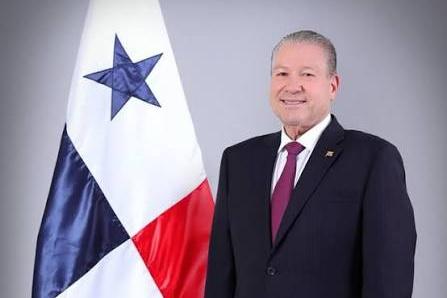
Representatives Manuel Cohen Salerno and Ronald De Gracia Moreno introduced Preliminary Bill 212 on October 20, 2026, proposing withdrawals of up to B/.550 million from the Panama Savings Fund to restore social infrastructure damaged by the October 9 earthquake and related aftershocks. Its legislative record lists committee adoption as pending in Economic Affairs and Finance. The proposal therefore neither authorizes withdrawals nor awards construction contracts today.
Articles 1, 2 and 4 would authorize the Executive, acting through the Ministry of Economy and Finance, to request funding, prioritizing Los Santos, Veraguas, Herrera and Coclé. Other provinces and indigenous regions could qualify based on SINAPROC’s official damage register. Article 5 provides for phased withdrawals tied to project progress and certified liquidity requirements, deposited in a dedicated Banco Nacional account separate from the rest of the Treasury.
Article 8 initially allocates 30% to housing; 20% to schools and educational facilities; 20% to hospitals and health centers; 15% to roads and bridges; 10% to agricultural access roads; and 5% to churches and religious congregations. Allocations could change following the final damage census, while the Cabinet could reallocate up to 10% between categories through a reasoned resolution. These are proposed spending categories, not resources already spent or contracts already approved.
Under Article 6, withdrawals would be repaid within twenty years through annual budget allocations, with payment amounts determined by the ministry. The text bars ordinary operating expenditure and direct staff hiring, while allowing project studies, design, inspections and supervision. Procurement would follow Law 22 and emergency procedures. Works would also have to satisfy seismic construction standards; local workers and suppliers would receive priority without displacing competition or technical specialization.
The Comptroller General would exercise prior and subsequent oversight. Articles 15 and 16 also provide for annual independent audits and quarterly reports to the National Assembly. For builders, suppliers and affected communities, the initiative could create a reconstruction funding channel. Actual demand would nevertheless depend on documented damage, budget decisions and specific procurement processes, rather than legislative introduction alone.
Article 19 gives the withdrawal authorization and special procedures a two-year duration. Contracts would need to be awarded within that period, although construction could finish later. Legislative approval and eventual promulgation remain necessary before the measure takes effect. The proposal calls for implementing regulations within thirty days and commencement on the day after promulgation, not immediate access to the fund upon introduction.
Research assisted by Sentinel, with editorial verification of official sources. Discover Legislat.ai