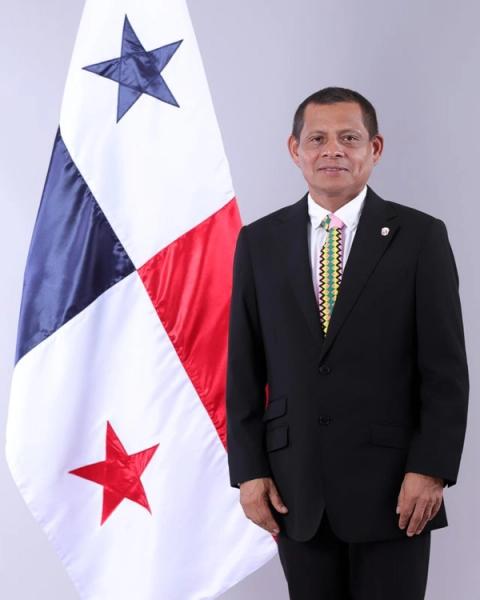
Proposal seeks faster classroom procurement in hard-to-reach areas
Representative Gertrudis Rodríguez de Gracia proposes an exceptional, simplified procurement procedure to replace makeshift classrooms in indigenous territories and rural areas affected by multidimensional poverty.

Preliminary Bill 218, introduced on October 21, 2026, by Representative Gertrudis Rodríguez de Gracia of constituency 12-3, proposes exceptional procurement to build classrooms promptly in hard-to-reach areas, indigenous territories and rural regions affected by multidimensional poverty. The initiative remains preliminary, awaiting committee adoption, and has been referred to the Education, Culture and Sports Committee.
Article 1 sets the objective of eliminating makeshift classrooms that fail to meet minimum safety, sanitation or accessibility standards. Article 5 adds paragraphs 12, 13 and 14 to Article 79 of the consolidated text of Law 22 of 2006 on public procurement. Paragraph 12 would permit exceptional procurement for classrooms in areas with a Multidimensional Poverty Index of at least 30%, following a technical declaration by the Ministry of Education. Paragraph 14 permits a single multiyear contract divided into lots to serve several schools. Article 6 establishes the procedure: a substantiated technical report, an educational priority resolution published in PanamaCompra, a market study completed within ten working days, and invitations to at least three registered bidders, with fewer permitted if the circumstances are recorded.
Article 3 identifies the beneficiaries as students and communities in Guna Yala, Emberá Wounaan, Ngäbe Buglé and other territories with limited connectivity, where poverty substantially exceeds the national average. For construction businesses and suppliers able to demonstrate technical capacity and financial solvency, the shortened procedure would provide a specific public procurement channel, with a standard price per classroom and uniform bidding specifications. The explanatory memorandum projects at least 1,200 new classrooms and benefits for more than 60,000 students over five years. Those figures remain projections dependent on legislative approval and available funding, not construction results already achieved.
The preliminary proposal still requires committee adoption and three debates before becoming law. Implementation would depend on the Ministry of Education’s technical declaration, coordinated with the Ministry of Economy and Finance and the Social Cabinet, and available funding. Article 11 provides for education-budget funding under Law 362 of 2023 alongside FECE resources, cooperation and donations. In indigenous territories, Article 6 requires a prior consultation plan involving traditional authorities. Accordingly, the proposed procurement route would remain subject to those technical, budgetary and consultation conditions rather than becoming available merely upon introduction of the initiative. Nexo Capital will follow the legislative progress of Preliminary Bill 218.
Research assisted by Sentinel, with editorial verification of official sources. Discover Legislat.ai
Debate stills