Framework nearshoring bill advances to second debate
The bill offers tax incentives to companies relocating manufacturing and logistics to Panama, complementing existing regimes such as SEM, EMMA, and Free Zones.
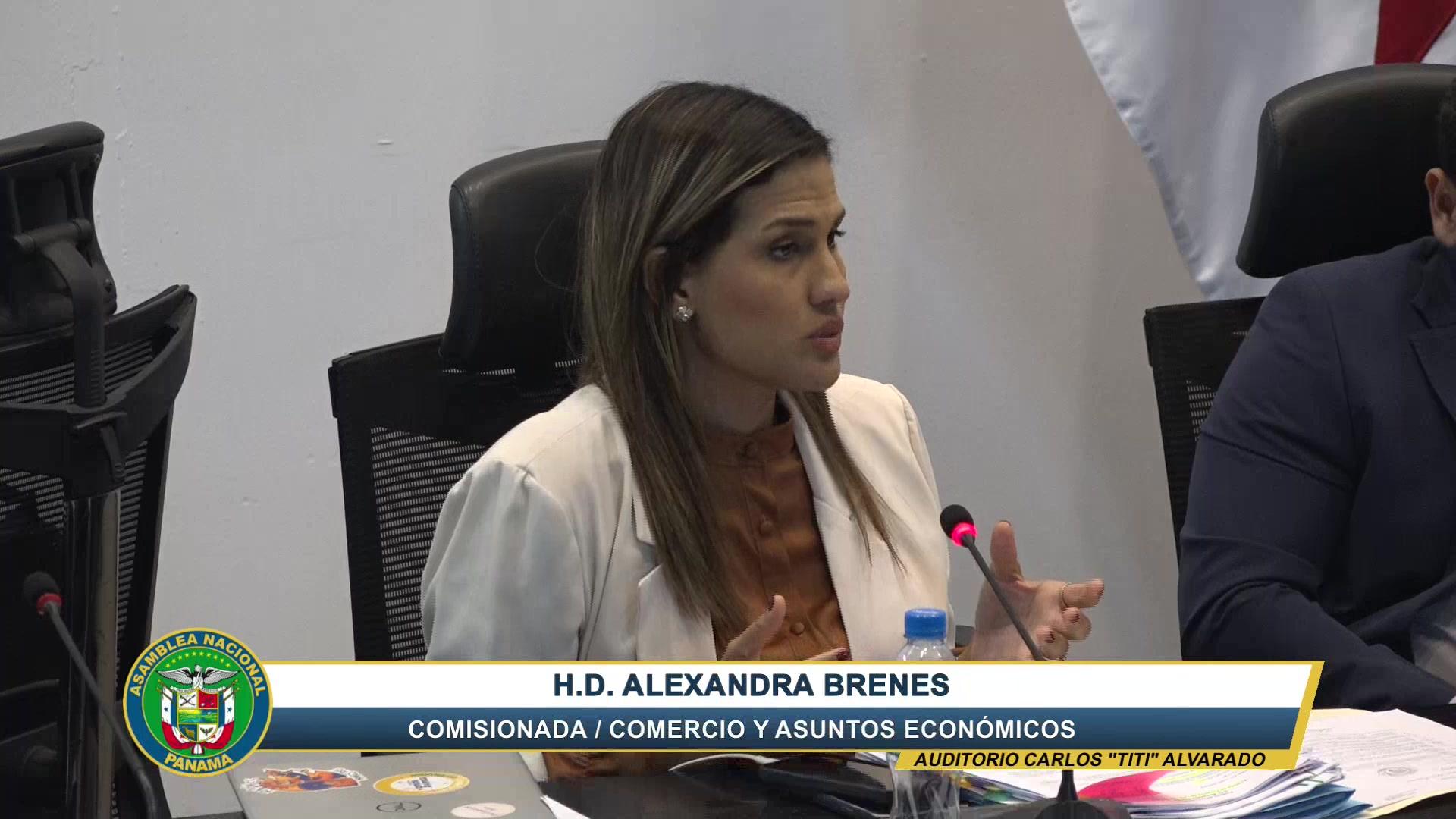
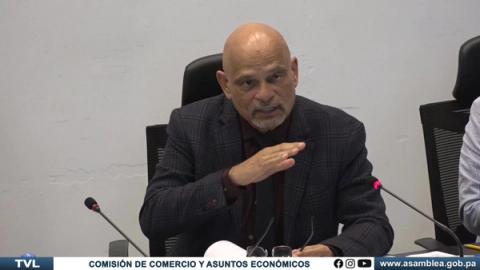
Bill 387, which promotes the Framework Law on Productive and Logistics Relocation (nearshoring), is in its second debate before the Commerce and Economic Affairs Commission. The initiative, introduced by Representative Ernesto Cedeño, seeks to attract manufacturing, assembly, and international logistics activities to Panama.
Article 5 provides tax incentives for companies that join the regime, including an exemption from the Transfer Tax on Movable Goods and Services (ITBMS) for manufacturing, assembly, international logistics, and value-added services operations directed at foreign markets.
The bill is designed to complement existing investment-attraction frameworks: Law 41 of 2007 (Multinational Enterprise Headquarters, SEM), Law 159 of 2020 (Multinational Manufacturing Enterprises, EMMA), Law 32 of 2011 (Free Zones), and Law 412 of 2023 (Colón Free Zone). It also introduces green incentives for companies that adopt clean technologies or circular-economy practices.
If enacted, the proposal would add another instrument to Panama's offering for capturing supply-chain relocation to the region. Its final content may be adjusted during the legislative process.
Debate stills




Sources
- Proyecto de Ley 387 — Comisión de Comercio y Asuntos Económicos (segundo debate)