Proposal would require large-event organizers to manage their waste
Four representatives propose amending Law 33 of 2018 to require a waste management plan when applying for permits for events attended by at least 500 people.
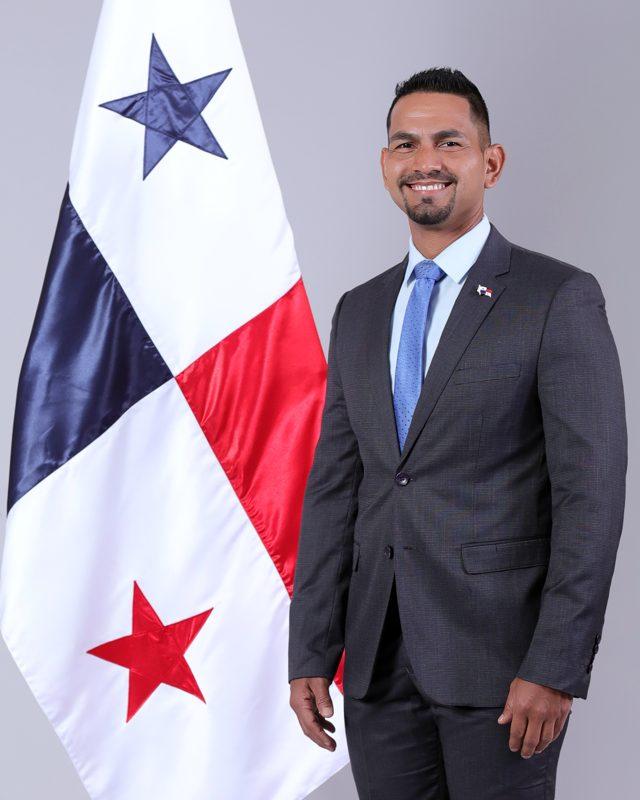
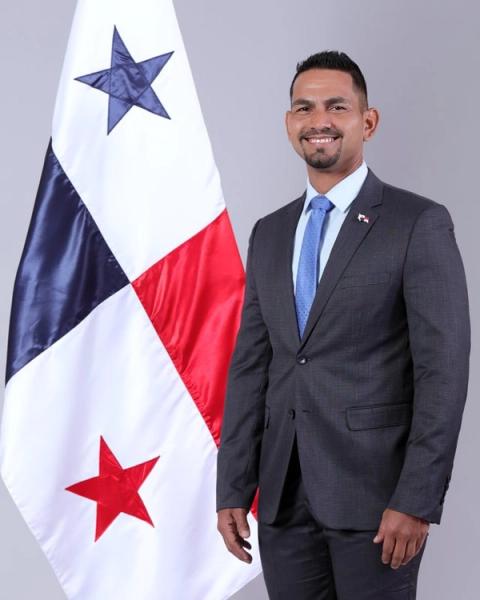
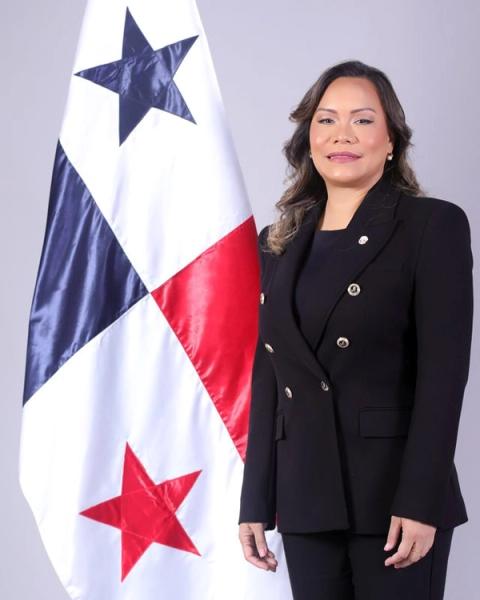
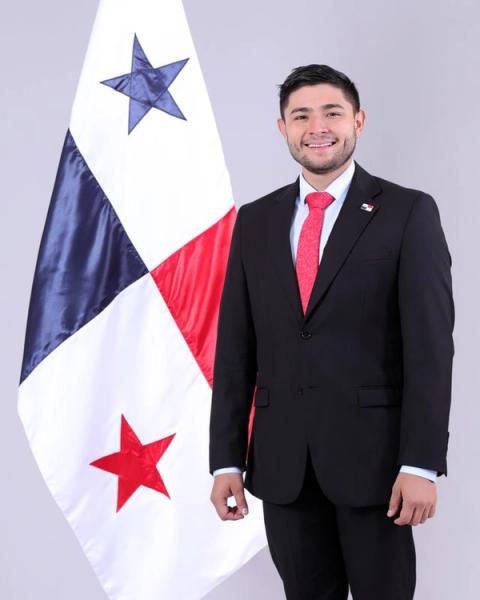
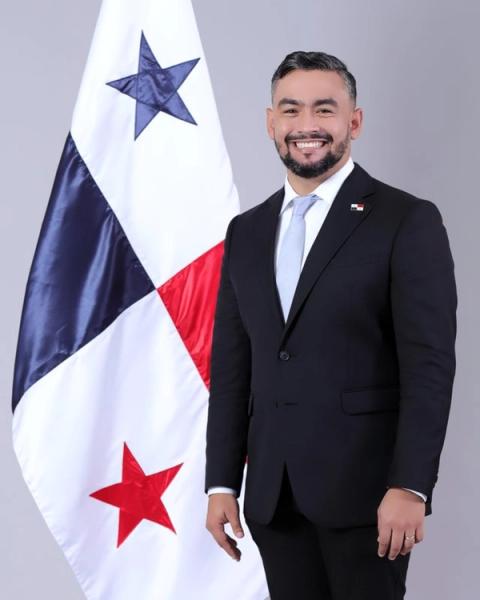
Preliminary Bill 219, introduced on October 21, 2026, by Representatives Lenín Ulate Rodríguez, Patsy Lee Rentería de Huang, Eduardo Gaitán Beitía and Luis Duke Walker, proposes specific waste management rules for large events. It would amend Law 33 of 2018 on comprehensive waste management. The initiative remains preliminary, awaiting committee adoption, and has been referred to the Population, Environment and Development Committee.
Article 1 defines an event as a temporary activity attended by at least 500 people and makes its organizer responsible for managing the waste generated. Article 2 adds Article 10-A to Law 33 of 2018, establishing minimum requirements: source-separation stations for plastics, metals, glass and paper or cardboard; separate collection of organic waste when food is sold; authorized waste managers or grassroots recyclers; signage and guidance personnel; and site cleaning. Article 3 amends Article 17 to require an Event Waste Management Plan for municipal, health, tourism, sanitation or security permits.
Article 4 adds a closing report, due within fifteen calendar days after the event, recording quantities by waste category and recovery certificates. Article 5 authorizes municipalities and the Urban and Household Sanitation Authority to impose fines ranging from 250 to 1,000 balboas for minor violations, 1,001 to 10,000 balboas for serious violations, and 10,001 to 50,000 balboas for operating without an approved plan or abandoning waste. Suspension of the event would also be possible. For concert, fair and sporting-event producers, the amendment would introduce additional costs and procedures; for waste managers and grassroots recyclers, it could create a market for services. Article 6 permits municipal incentives for events demonstrating diversion of at least 60% of their waste.
Article 7 provides six months from promulgation for organizers and authorities to adapt regulations and permit systems. Article 9 establishes entry into force six months after promulgation. That timetable remains conditional on the proposal becoming law. The preliminary text must first receive committee adoption and pass three debates. Approval and promulgation remain necessary before the proposed regime could become binding. Organizers therefore face proposed requirements, not obligations activated merely by this new filing. The distinction matters when planning compliance costs or assessing potential demand for waste collection and recovery services. Nexo Capital will follow the legislative progress of Preliminary Bill 219.
Research assisted by Sentinel, with editorial verification of official sources. Discover Legislat.ai
Debate stills