A reform expanding consensual exits from criminal proceedings advances in committee
Bill 154, adopted on October 7, 2026 by the Commission on Government, Justice and Constitutional Affairs and turned into Bill 742, extends to before the oral trial the use of conciliation, plea agreements and withdrawal.
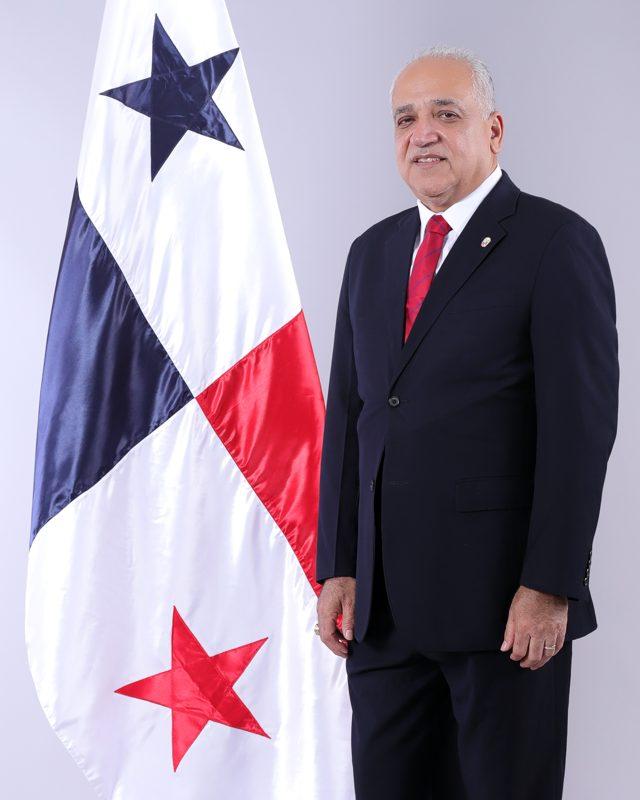
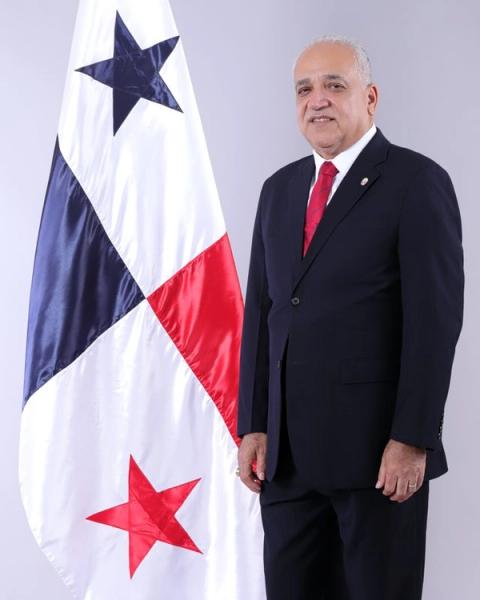
The Commission on Government, Justice and Constitutional Affairs of the National Assembly adopted on October 7, 2026 Bill 154, which thereby moved to be processed as Bill 742 and remained pending first debate. The initiative was submitted in August 2026 by deputy Luis Eduardo Camacho, of circuit 8-2, and amends several provisions of the Criminal Procedure Code to broaden the use of the consensual mechanisms for terminating the proceeding. According to the session report, it was adopted with six votes in favor and two against, and the proposer argued that the reform does not decriminalize any offense.
The core of the bill is the procedural timing. Its article 1 adds an article 26-A that orders judicial authorities to favor resolving the conflict over the unnecessary continuation of the proceeding and establishes that the alternative mechanisms may be promoted at any stage and up until the Trial Court declares the debate open. On that basis, articles 2 to 10 extend that window to institutions that today lapse earlier: the withdrawal of the punitive claim in the offenses that allow it (article 201, which lists theft, fraud and other frauds, damages, slander and libel or forgery of documents to the detriment of individuals, among others), conciliation (article 206), referral to conflict-resolution centers (articles 207 to 211), suspension of the proceeding at the request of the accused who admits the facts and repairs the damage (article 215) and plea or effective-cooperation agreements between the Public Prosecutor's Office and the accused (article 220). Article 11 adds an article 365-A that empowers the Trial Court to consult the parties on a consensual exit before opening the debate and to suspend the hearing for up to thirty business days to facilitate it.
The bill describes its purpose in terms of procedural economy: avoiding full oral trials when the conflict can be resolved by agreement and freeing courtrooms, judges, prosecutors and experts for the cases that do require a decision on the merits. According to its explanatory statement, the reform creates no new figures and does not change the substantive requirements, but widens the window to use them, with judicial control and the guarantees of the victim and the accused as the limit. Article 201 keeps offenses affecting State assets out of the withdrawal. It reaches the entire accusatory criminal-justice system, the accused who seek an early exit, and the victims, for whom the text says it incorporates safeguards when these agreements are activated at advanced stages.
The bill was only just adopted, so the first, second and third debates in the Assembly, the Executive's sanction and publication in the Official Gazette must still take place before it is in force. Article 12 provides that it would take effect the day after its promulgation and article 13 would allow ongoing proceedings to avail themselves of its terms if the debate has not yet been opened. The final scope will depend on the text that results from those debates. Nexo Capital will follow the processing of Bill 742.
Debate stills